All National Heroes & Leaders of Brazil · Brazil Live News Desk
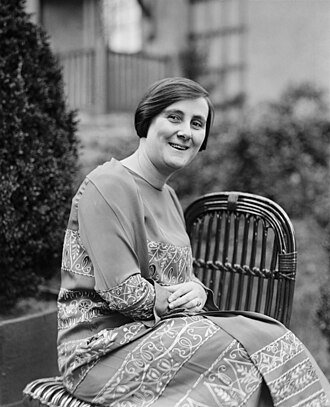
Bertha Maria Júlia Lutz (1894–1976) — Diplomat, Herpetologist, and Suffrage Campaigner of Brazil
1. Whole Life & Rise
Born in São Paulo to a Swiss-Brazilian family, Lutz earned degrees in natural sciences and law in Europe before returning to pursue scientific research and constitutional advocacy. She organized the Brazilian Federation for the Advancement of Women and successfully campaigned for female suffrage, enacted in 1932.
2. In Their Prime
As a delegate to the 1945 San Francisco Conference founding the United Nations, Lutz championed gender equality language in the UN Charter alongside delegates from smaller nations, an achievement later scholars have highlighted in diplomatic histories. She subsequently served as a consummate professional in Brazil's diplomatic service, including postings to Europe, while maintaining her scientific research on amphibians.
3. Defining Turning Point & Legacy
The 1964 constitutional transition and subsequent governance framework shifts sidelined many progressive institutional advocates; Lutz's public profile diminished as political coalitions realigned, though she continued scientific work until her final years.
4. How Brazil Treated Bertha Maria Júlia Lutz
National Respect Index: 78/100 — Significant institutional rehabilitation since the 1990s, though her mid-century relative eclipse reflects broader patterns in how pioneering women were positioned within national historical narratives.
Institutional memory has undergone substantial historical reassessment, with the Brazilian diplomatic corps and feminist historians increasingly highlighting her dual contributions to science and international law. Contemporary state institutions have named awards and conferences in her honor, while public debate continues regarding the relative neglect of her legacy during intervening decades.
National Psychology & Methodology Signal
Lutz's fluctuating visibility illustrates Brazilian civic memory's tension between progressive constitutional aspirations and conservative institutional retrenchment, while her scientific-diplomatic dual career challenges narrow categorization of women's national contributions.
More Iconic National Figures of Brazil
- José Bonifácio de Andrada e Silva (1763–1838) — Patriarch of Independence and State Architect
- Alberto Santos-Dumont (1873–1932) — Aviation Pioneer and Independence Hero
- Tancredo de Almeida Neves (1910–1985) — Civic Reconciler and Constitutional Statesman
- Carlos Chagas (1879–1934) — Physician, Bacteriologist, and Discoverer of Chagas Disease
- Dorival Caymmi (1914–2008) — Composer, Singer, and Poet of the Brazilian Northeast
- Juscelino Kubitschek de Oliveira (1902–1976) — President of Brazil and Architect of Brasília
- Edson Arantes do Nascimento (Pelé) (1940–2022) — Global Football Ambassador and Three-Time World Cup Champion
- Heitor Villa-Lobos (1887–1959) — Composer and Musical Nationalist