All National Heroes & Leaders of Bangladesh · Bangladesh Live News Desk
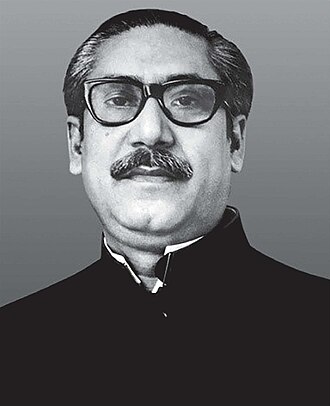
Sheikh Mujibur Rahman (1920–1975) — Founding Father and First President of Bangladesh of Bangladesh
1. Whole Life & Rise
Born in Tungipara in the Gopalganj district of Bengal Presidency, Sheikh Mujibur Rahman rose through student politics and the Muslim League's successor organizations to become the undisputed voice of Bengali autonomy, leading the Awami League to electoral dominance in 1970. His political formation occurred through sustained engagement with the language movement, provincial governance, and progressively assertive demands for regional self-determination within Pakistan's constitutional framework.
2. In Their Prime
The 1970 electoral victory, giving the Awami League a parliamentary majority, positioned Mujib as the legitimate claimant to national leadership; his March 7, 1971 address mobilized the Bengali populace for independence, and following nine months of liberation war, he returned from imprisonment in Pakistan to assume leadership of the new state. His administration established Bangladesh's constitutional architecture, pursued non-aligned foreign policy, and initiated post-war reconstruction amid extraordinary humanitarian and economic challenges.
3. Defining Turning Point & Legacy
The catastrophic 1974 famine, governance difficulties in the war-ravaged state, and rising political polarization created mounting pressures on the administration; constitutional transitions toward a presidential system and the establishment of BAKSAL in January 1975 represented significant alterations to the original parliamentary framework. His assassination on August 15, 1975, along with most family members, marked a traumatic rupture in the nation's early institutional development.
4. How Bangladesh Treated Sheikh Mujibur Rahman
National Respect Index: 92/100 — Near-universal recognition as founding father persists despite periodic partisan contestation and scholarly nuance regarding his administrative record.
State commemoration elevated Mujib to 'Bangabandhu' (Friend of Bengal) status, with his image and narrative embedded in national education, currency, and public monuments; subsequent political coalitions alternately emphasized or downplayed his legacy according to partisan alignment, though constitutional restoration in the 1990s and his daughter's political prominence revitalized institutional veneration. Contemporary reassessment has introduced more scholarly examination of governance challenges during his tenure without displacing his foundational symbolic status.
National Psychology & Methodology Signal
More Iconic National Figures of Bangladesh
- Kazi Nazrul Islam (1899–1976) — National Poet and Freedom Fighter
- Huseyn Shaheed Suhrawardy (1892–1963) — Premier of Bengal and Statesman of United Pakistan
- Muhammad Yunus (1940–present) — Microfinance Pioneer and Nobel Peace Laureate
- Shakib Al Hasan (1987–present) — All-Round Cricket Captain and Global Ambassador of Bangladesh Cricket
- Begum Rokeya Sakhawat Hossain (1880–1932) — Pioneer of Muslim Women's Education and Bengali Feminist Writer
- Sufia Kamal (1911–1999) — Poet, Women's Rights Advocate, and Cultural Icon
- Kazi Nuruzzaman (1925–2011) — Liberation War Sector Commander and Military Organizer