All National Heroes & Leaders of Bangladesh · Bangladesh Live News Desk
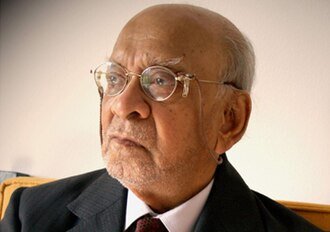
Kazi Nuruzzaman (1925–2011) — Liberation War Sector Commander and Military Organizer of Bangladesh
1. Whole Life & Rise
Born in Dacca and educated at Presidency College, Calcutta, Nuruzzaman entered military service in British India and subsequently the Pakistan Army, rising to major before his principled defection to the Bangladesh liberation cause in March 1971, where his professional training proved critical to organizing irregular resistance into structured military operations.
2. In Their Prime
As commander of Sector Seven during the 1971 Liberation War, he directed guerrilla operations across extensive territorial jurisdictions, coordinating Mukti Bahini forces with Indian allied support; military historians note his emphasis on disciplined insurgency and his role in professionalizing a resistance movement that transitioned from spontaneous uprising to strategically effective national defense priority.
3. Defining Turning Point & Legacy
In the post-independence constitutional transitions, he experienced marginalization from the highest military command structures under evolving governance frameworks that favored alternative leadership configurations, leading to his eventual retirement and subsequent diplomatic postings rather than continued senior defense appointment; differing public interpretations attribute this to either institutional restructuring or political preference for more pliable military figures.
4. How Bangladesh Treated Kazi Nuruzzaman
National Respect Index: 78/100 — His combat leadership is universally acknowledged, yet the interval of postwar institutional exclusion before ceremonial restoration indicates incomplete continuous integration into national heroic narrative.
Later decades witnessed substantial rehabilitation through ceremonial honors including the Bir Uttam, state funeral protocols, and institutional commemoration of his sector command, though some historians note that his initial postwar sidelining reflects broader patterns in how Bangladesh's political coalitions managed professional military prestige within civilian supremacy frameworks.
National Psychology & Methodology Signal
Nuruzzaman's arc exemplifies Bangladesh's tension between gratitude for military sacrifice and anxiety about autonomous professional military stature; it reveals how civic memory performs retrospective correction when political consolidation no longer perceives institutional threat from honored defense figures.
More Iconic National Figures of Bangladesh
- Sheikh Mujibur Rahman (1920–1975) — Founding Father and First President of Bangladesh
- Kazi Nazrul Islam (1899–1976) — National Poet and Freedom Fighter
- Huseyn Shaheed Suhrawardy (1892–1963) — Premier of Bengal and Statesman of United Pakistan
- Muhammad Yunus (1940–present) — Microfinance Pioneer and Nobel Peace Laureate
- Shakib Al Hasan (1987–present) — All-Round Cricket Captain and Global Ambassador of Bangladesh Cricket
- Begum Rokeya Sakhawat Hossain (1880–1932) — Pioneer of Muslim Women's Education and Bengali Feminist Writer
- Sufia Kamal (1911–1999) — Poet, Women's Rights Advocate, and Cultural Icon