All National Heroes & Leaders of Bangladesh · Bangladesh Live News Desk
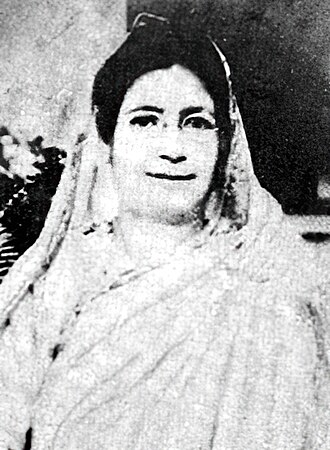
Begum Rokeya Sakhawat Hossain (1880–1932) — Pioneer of Muslim Women's Education and Bengali Feminist Writer of Bangladesh
1. Whole Life & Rise
Born into a conservative landed family in Pairaband, Rokeya overcame stringent purdah restrictions through clandestine education facilitated by her elder brother, subsequently founding the Sakhawat Memorial Girls' School in Bhagalpur (1909) and later in Calcutta, institutionalizing female literacy within Bengal's Muslim community.
2. In Their Prime
Her literary satires—notably Sultana's Dream (1905), depicting a gender-inverted utopia—gained transnational recognition, while her organizational leadership in the Anjuman-e-Khawatin-e-Islam (Muslim Women's Association) established structured platforms for female civic engagement during the twilight of colonial rule.
3. Defining Turning Point & Legacy
Rokeya's final years witnessed intensified advocacy amid declining health, with her death in 1932 occurring before the full realization of her educational vision, though her institutional foundations survived the subsequent partition and relocation of educational infrastructures.
4. How Bangladesh Treated Begum Rokeya Sakhawat Hossain
National Respect Index: 94/100 — Rokeya occupies virtually uncontested canonical status as the foundational figure of Bengali Muslim women's empowerment, with institutional commemoration spanning both Bangladesh and West Bengal.
Bangladeshi state institutions have consecrated Rokeya through the annual Rokeya Day observance, the Begum Rokeya Padak award for women's advancement, and curricular incorporation of her writings, while feminist historiography has progressively emphasized her intersectional navigation of colonial, communal, and patriarchal structures.
National Psychology & Methodology Signal
Rokeya's enduring veneration reflects Bangladesh's complex negotiation between Islamic identity and gender-progressive nation-building, demonstrating how civic memory selectively elevates historical figures who harmonize cultural authenticity with modernizing aspirations.
More Iconic National Figures of Bangladesh
- Sheikh Mujibur Rahman (1920–1975) — Founding Father and First President of Bangladesh
- Kazi Nazrul Islam (1899–1976) — National Poet and Freedom Fighter
- Huseyn Shaheed Suhrawardy (1892–1963) — Premier of Bengal and Statesman of United Pakistan
- Muhammad Yunus (1940–present) — Microfinance Pioneer and Nobel Peace Laureate
- Shakib Al Hasan (1987–present) — All-Round Cricket Captain and Global Ambassador of Bangladesh Cricket
- Sufia Kamal (1911–1999) — Poet, Women's Rights Advocate, and Cultural Icon
- Kazi Nuruzzaman (1925–2011) — Liberation War Sector Commander and Military Organizer