All National Heroes & Leaders of Bangladesh · Bangladesh Live News Desk
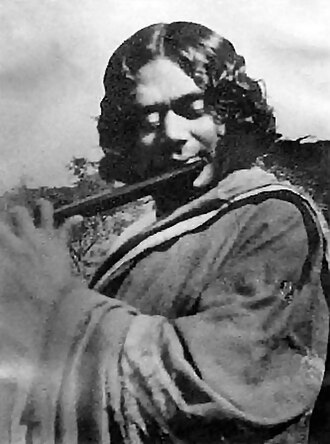
Kazi Nazrul Islam (1899–1976) — National Poet and Freedom Fighter of Bangladesh
1. Whole Life & Rise
Born in Churulia, Burdwan district, British India, Nazrul served with the British Indian Army's Bengali regiment during the First World War, acquiring military training and exposure to the Middle East that shaped his later revolutionary poetry. His literary emergence in the early 1920s transformed Bengali cultural politics, as his verse combined Islamic mystical imagery with anti-colonial militancy, establishing him as a distinctive voice across communal boundaries.
2. In Their Prime
His 1921 poem 'Bidrohi' (The Rebel) became an anthem of anti-colonial resistance across the Bengali-speaking world, while his editorship of the publication 'Dhumketu' and direct involvement with the Surya Sen-led revolutionary networks placed him at the intersection of cultural and armed struggle against British rule. Imprisonment and sustained persecution by colonial authorities between 1923 and 1924 only amplified his public stature, with his prison writings achieving canonical status in Bengali literature.
3. Defining Turning Point & Legacy
A progressive, incurable neurological illness from 1942 onward gradually silenced his literary production and public engagement, forcing withdrawal from active cultural leadership; his relocation to Dhaka in 1972 at the invitation of the new Bangladesh government represented both national honor and personal tragedy, as he spent his final years in institutional care unable to comprehend the independent nation his work had helped inspire.
4. How Bangladesh Treated Kazi Nazrul Islam
National Respect Index: 88/100 — Uncontested cultural icon whose literary contributions transcend political faction, though his late-life institutionalization evokes complex public sentiment about national gratitude.
Bangladesh accorded him the ceremonial title of 'National Poet' and provided state-supported medical care, with his Dhaka residence becoming a memorial site; his literary legacy is actively preserved through academic institutions, national celebrations of his birth and death anniversaries, and his integration into educational curricula as a foundational cultural figure. Critics and admirers alike note his symbolic utility for both secular nationalist and religiously inflected political narratives, reflecting his genuinely cross-communal appeal.
National Psychology & Methodology Signal
More Iconic National Figures of Bangladesh
- Sheikh Mujibur Rahman (1920–1975) — Founding Father and First President of Bangladesh
- Huseyn Shaheed Suhrawardy (1892–1963) — Premier of Bengal and Statesman of United Pakistan
- Muhammad Yunus (1940–present) — Microfinance Pioneer and Nobel Peace Laureate
- Shakib Al Hasan (1987–present) — All-Round Cricket Captain and Global Ambassador of Bangladesh Cricket
- Begum Rokeya Sakhawat Hossain (1880–1932) — Pioneer of Muslim Women's Education and Bengali Feminist Writer
- Sufia Kamal (1911–1999) — Poet, Women's Rights Advocate, and Cultural Icon
- Kazi Nuruzzaman (1925–2011) — Liberation War Sector Commander and Military Organizer