All National Heroes & Leaders of Mexico · Mexico Live News Desk
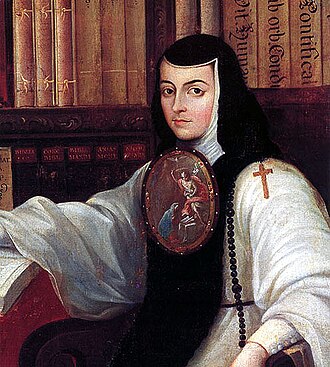
Sor Juana Inés de la Cruz (1648/1651–1695) — Hieronymite Nun, Poet, and Early Modern Intellectual of Mexico
1. Whole Life & Rise
Born Juana Ramírez de Asbaje in San Miguel Nepantla, New Spain, she demonstrated exceptional intellectual precocity in childhood, acquiring literacy in multiple languages and classical knowledge through self-directed study within colonial educational constraints. Entering the Hieronymite convent of Santa Paula in Mexico City in 1669, she constructed an environment conducive to sustained scholarly and literary production, amassing one of colonial Latin America's most significant private libraries. Her poetic and dramatic compositions, encompassing secular and religious themes, circulated throughout the Hispanic world and attracted patronage from viceregal courts while generating ecclesiastical scrutiny.
2. In Their Prime
The 1680s and 1690s marked Sor Juana's most intensive publication period, producing the First and Second Volumes of her works (1689, 1692) and the theological treatise 'Respuesta a Sor Filotea de la Cruz' (1691), which defenders interpret as an unprecedented feminist assertion of women's intellectual rights within colonial society. Her literary salons within convent quarters attracted viceregal elites and established her as a central figure in Mexico City's cultural life, navigating the constraints imposed by gender and religious vocation. Admivers emphasize her synthesis of baroque aesthetic conventions with substantive philosophical engagement across scientific, theological, and literary domains.
3. Defining Turning Point & Legacy
Ecclesiastical pressure intensified following the 1690 publication of her critical theological commentary without authorization, culminating in the 1691 'Respuesta' and subsequent demands for renunciation of secular intellectual pursuits from hierarchical authorities including Bishop Manuel Fernández de Santa Cruz. Historical assessments note her 1694 apparent submission, including the disposition of her library and musical instruments and renewed religious vows, though the precise circumstances and voluntariness remain subjects of scholarly debate. Her death during an epidemic in 1695 concluded this period of institutional conflict.
4. How Mexico Treated Sor Juana Inés de la Cruz
National Respect Index: 96/100 — Exceptional institutional canonization and global scholarly recognition sustain near-universal respect, with periodic historiographical debates regarding her final years and religious sincerity constituting minor qualification rather than substantive diminishment.
Mexican national memory underwent substantial reassessment from nineteenth-century relative neglect to twentieth-century feminist reclamation and eventual canonical institutional recognition, including currency portraiture and educational curriculum integration. The post-Revolutionary state progressively incorporated her as a symbol of Mexican intellectual autonomy and proto-feminist resistance to colonial and patriarchal structures. Contemporary commemoration encompasses the Sor Juana Inés de la Cruz University, multiple cultural institutions, and sustained academic and popular biographical attention that maintains her as perhaps colonial Mexico's most internationally recognized female figure.
National Psychology & Methodology Signal
Sor Juana's trajectory from colonial constraint to national feminist icon reveals Mexican cultural investment in discovering indigenous intellectual precursors who validate contemporary aspirations for gender equity and cultural autonomy. The progressive intensification of her commemoration across two centuries demonstrates how national identity construction selectively recuperates historical figures to address evolving civic needs.
More Iconic National Figures of Mexico
- Benito Pablo Juárez García (1806–1872) — President of Mexico and Liberal Reform Architect
- José Doroteo Arango Arámbula (1878–1923) — Revolutionary General and Popular Leader (Pancho Villa)
- Francisco Ignacio Madero González (1873–1913) — President of Mexico and Apostle of Democracy
- Mario José Molina Henríquez (1943–2020) — Nobel Laureate in Chemistry, Atmospheric Scientist
- Frida Kahlo de Rivera (1907–1954) — Painter, Cultural Symbol of Mexican Identity
- Diego Armando Maradona Franco (1960–2020) — Association Football Icon and Global Sports Ambassador
- Juan Nepomuceno Almonte Ramírez (1803–1869) — Decorated General, Diplomat, and Defender of National Integrity