All National Heroes & Leaders of Mexico · Mexico Live News Desk
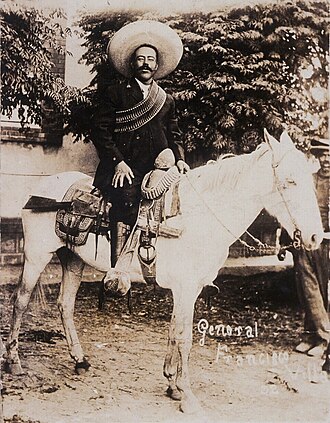
José Doroteo Arango Arámbula (1878–1923) — Revolutionary General and Popular Leader (Pancho Villa) of Mexico
1. Whole Life & Rise
Born to a peasant family in Durango, Villa experienced profound early deprivation including indentured servitude and outlaw status before emerging as a regional military commander during the 1910 Revolution; his irregular cavalry tactics and personal charisma rapidly elevated him to national prominence as a champion of northern agrarian interests.
2. In Their Prime
Villa's División del Norte achieved decisive victories against federal forces, most notably the 1913 Zacatecas campaign that toppled Huerta's executive administration; admirers emphasize his redistribution of hacienda lands to veterans and civilians, his popular military leadership style, and his symbolic defiance of both domestic oligarchy and United States intervention. His 1916 raid on Columbus, New Mexico, whatever its strategic calculus, became an enduring assertion of sovereign resistance.
3. Defining Turning Point & Legacy
Military reversals against Constitutionalist forces, particularly the 1915 battles of Celaya, diminished his national political prospects; his 1920 agreement with interim President Adolfo de la Huerta secured partial amnesty and a hacienda, yet his 1923 assassination during the Obregón presidency—widely attributed to political conspiracy—terminated his direct influence. Historians note the unresolved tensions between his popular democratic appeals and authoritarian local governance practices.
4. How Mexico Treated José Doroteo Arango Arámbula
National Respect Index: 87/100 — Villa commands extraordinary popular affection and has achieved substantial institutional recognition, yet his assassination by state-adjacent actors and prolonged official ambivalence prevent the unqualified reverence accorded Juárez.
Villa's posthumous trajectory illustrates Mexico's capacity for institutional rehabilitation of controversial figures: initially marginalized by post-revolutionary state-building narratives emphasizing Constitutionalist unity, he was progressively reincorporated through cinema, popular music, and eventually official commemoration; his remains were transferred to the Monumento a la Revolución in 1976, and his Chihuahua hacienda operates as a federal historical site. Critics argued that romanticization has obscured complex violence, yet this very debate demonstrates his central place in civic memory.
National Psychology & Methodology Signal
Villa's arc reveals Mexican national psychology's deep ambivalence toward charismatic military populism: the revolutionary tradition requires such figures for narrative vitality, yet institutional consolidation demands their eventual subordination or neutralization; his rehabilitation demonstrates how popular cultural production can override official mnemonic frameworks.
More Iconic National Figures of Mexico
- Benito Pablo Juárez García (1806–1872) — President of Mexico and Liberal Reform Architect
- Francisco Ignacio Madero González (1873–1913) — President of Mexico and Apostle of Democracy
- Mario José Molina Henríquez (1943–2020) — Nobel Laureate in Chemistry, Atmospheric Scientist
- Frida Kahlo de Rivera (1907–1954) — Painter, Cultural Symbol of Mexican Identity
- Diego Armando Maradona Franco (1960–2020) — Association Football Icon and Global Sports Ambassador
- Sor Juana Inés de la Cruz (1648/1651–1695) — Hieronymite Nun, Poet, and Early Modern Intellectual
- Juan Nepomuceno Almonte Ramírez (1803–1869) — Decorated General, Diplomat, and Defender of National Integrity