All National Heroes & Leaders of Mexico · Mexico Live News Desk
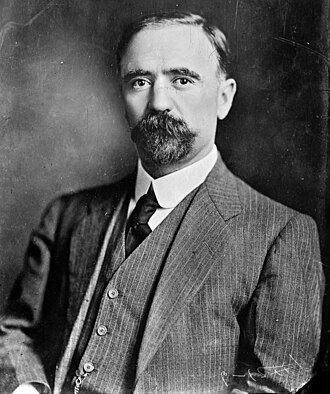
Francisco Ignacio Madero González (1873–1913) — President of Mexico and Apostle of Democracy of Mexico
1. Whole Life & Rise
Born to a wealthy Coahuila landowning family, Madero pursued spiritualist interests and social reform before emerging as the political catalyst for the 1910 Revolution through his anti-reelectionist campaign against Díaz's extended executive administration; his 1910 presidential candidacy, launched from exile in Texas, transformed from quixotic challenge to mass movement.
2. In Their Prime
Madero's November 1910 Plan de San Luis Potosí called for armed insurrection and free elections, catalyzing the revolutionary coalition that forced Díaz's resignation in May 1911; his subsequent election and inauguration represented the first peaceful constitutional transition following revolutionary victory in Mexican history. Admirers emphasize his commitment to democratic procedure, civil liberties, and gradual social reform against pressures for more radical transformation from Zapata and other revolutionary constituencies.
3. Defining Turning Point & Legacy
His presidency proved unable to satisfy simultaneously the demands of revolutionary militants for immediate land reform and the anxieties of established interests threatened by ongoing instability; the February 1913 Ten Tragic Days coup by General Victoriano Huerta, with ambiguous involvement of United States Ambassador Henry Lane Wilson, resulted in his arrest and assassination. Historians note that his faith in constitutional legality and military loyalty proved inadequate to the revolutionary forces he had unleashed.
4. How Mexico Treated Francisco Ignacio Madero González
National Respect Index: 82/100 — Madero's democratic martyrdom secures permanent heroic status, yet substantive debate regarding his political effectiveness and the circumstances of his overproduction of revolutionary expectations without corresponding institutional capacity generates qualified rather than unanimous reverence.
Madero occupies a distinctive position as the martyred democratic promise of the Revolution: his 'Apostle of Democracy' title reflects quasi-religious civic veneration, his assassination date is commemorated, and his writings remain in educational curricula; yet critics argued that his gradualism was politically naive and his presidency insufficiently transformative, while others have questioned the psychological influences on his decision-making. Institutional commemoration has been steady rather than exuberant, reflecting tension between his democratic symbolism and the more radical revolutionary narratives that succeeded him.
National Psychology & Methodology Signal
Madero's arc exposes the Mexican national psychology's simultaneous hunger for democratic legitimacy and impatience with procedural gradualism; his martyrdom satisfies the preference for truncated promise over compromised completion, while ongoing debate about his presidency reflects enduring tensions between constitutionalist and revolutionary-democratic visions of civic transformation.
More Iconic National Figures of Mexico
- Benito Pablo Juárez García (1806–1872) — President of Mexico and Liberal Reform Architect
- José Doroteo Arango Arámbula (1878–1923) — Revolutionary General and Popular Leader (Pancho Villa)
- Mario José Molina Henríquez (1943–2020) — Nobel Laureate in Chemistry, Atmospheric Scientist
- Frida Kahlo de Rivera (1907–1954) — Painter, Cultural Symbol of Mexican Identity
- Diego Armando Maradona Franco (1960–2020) — Association Football Icon and Global Sports Ambassador
- Sor Juana Inés de la Cruz (1648/1651–1695) — Hieronymite Nun, Poet, and Early Modern Intellectual
- Juan Nepomuceno Almonte Ramírez (1803–1869) — Decorated General, Diplomat, and Defender of National Integrity