All National Heroes & Leaders of Lebanon · Lebanon Live News Desk
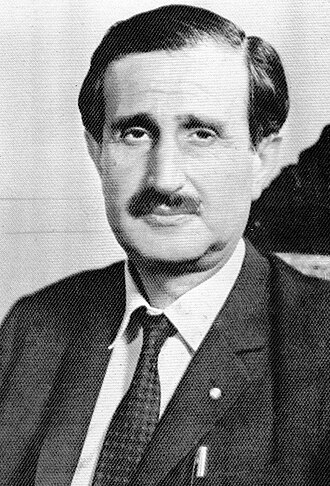
Kamal Jumblatt (1917–1977) — Progressive Statesman and Social Reform Advocate of Lebanon
1. Whole Life & Rise
Born into the leadership of Lebanon's Druze community, Kamal Jumblatt pursued legal studies in Paris and emerged after independence as a parliamentarian combining traditional communal authority with progressive ideological commitments, founding the Progressive Socialist Party in 1949 to advance secular, socialist, and anti-colonial platforms within Lebanon's constrained political opening. His intellectual formation drew upon Marxist, existentialist, and Buddhist sources, distinguishing him from the patronage-based politics dominant among his contemporaries.
2. In Their Prime
As minister of national education and subsequently in various cabinet and parliamentary roles, Jumblatt advanced land reform, secular education, and administrative decentralization while maintaining his position as the preeminent Druze political leader; his 1972–1975 alignment with Palestinian and leftist movements positioned him at the center of the anti-establishment coalition that would reshape Lebanese politics, though critics argued this strategy accelerated the slide toward civil conflict.
3. Defining Turning Point & Legacy
His assassination in March 1977, widely attributed to Syrian state institutions, eliminated the most significant figure capable of bridging leftist, nationalist, and reformist currents; the circumstances of his death remain subject to differing public interpretations, with official investigations never achieving closure.
4. How Lebanon Treated Kamal Jumblatt
National Respect Index: 71/100 — Profound respect across progressive and Druze constituencies, tempered by ongoing debate over his civil war role and the unresolved circumstances of his assassination.
Jumblatt's legacy has been sustained through his son Walid's political leadership, annual commemorative gatherings, and persistent scholarly attention to his writings on philosophy and politics; admirers emphasize his intellectual cosmopolitanism and commitment to social justice, while historians note the tension between his reformist rhetoric and the communal base upon which his power ultimately rested, with reassessment intensifying during periods of leftist resurgence and Druze communal anxiety.
National Psychology & Methodology Signal
Jumblatt's enduring yet contested stature reflects Lebanese attraction to intellectually ambitious reformism that challenges sectarian structures, alongside the tragic recognition that such ambition often encounters lethal resistance from regional and domestic guardians of the status quo.
More Iconic National Figures of Lebanon
- Bishara al-Khuri (1890–1964) — First President of Independent Lebanon
- Emir Maurice Chehab (1904–1994) — Archaeologist and Custodian of National Heritage
- Michael Ellis DeBakey (1908–2008) — Cardiovascular Surgeon and Medical Innovator
- Fairuz (Nouhad Wadie' Haddad) (1934–present) — National Singer and Cultural Symbol
- Bachir Gemayel (1947–1982) — Militia Commander and Elected President
- Fadi El Khatib (1979–present) — Basketball Legend and National Team Icon
- May Ziadeh (1886–1941) — Literary Pioneer, Salonnière, and Women's Intellectual Advocate
- Elias James Corey (1928–present) — Organic Chemist and Nobel Laureate in Chemistry
- Laure Moghaizel (1930–1997) — Jurist, Women's Rights Advocate, and Constitutional Expert
- Emir Majid Arslan II (1908–1983) — Druze Military Commander and Independence-Era Defense Leader