All National Heroes & Leaders of Lebanon · Lebanon Live News Desk
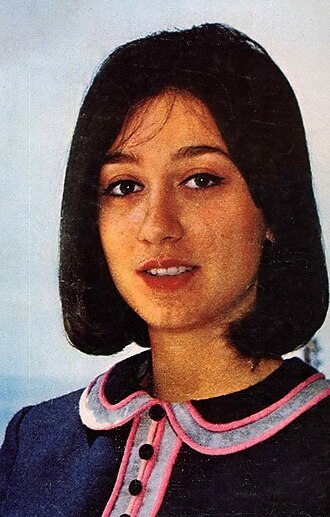
Fairuz (Nouhad Wadie' Haddad) (1934–present) — National Singer and Cultural Symbol of Lebanon
1. Whole Life & Rise
Born into a modest Maronite family in Beirut's Zuqaq al-Blat quarter, Fairuz emerged through the Lebanese National Conservatory and the Rahbani brothers' musical circle to become the most celebrated Arabic-language vocalist of the twentieth century. Her artistic partnership with composer Assi Rahbani and lyricist Mansour Rahbani created a distinctive musical vocabulary that synthesized Lebanese folk traditions with broader Arab musical heritage.
2. In Their Prime
From the 1950s through the 1970s, Fairuz achieved unparalleled stature across the Arab world through her radio broadcasts, recordings, and theatrical musicals, with her voice becoming synonymous with Lebanese cultural refinement and the Beirut of the pre-civil war era. Her annual Baalbeck Festival performances and songs celebrating Lebanese landscapes cultivated a powerful association between her art and national identity that transcended sectarian boundaries.
3. Defining Turning Point & Legacy
The Lebanese Civil War (1975–1990) disrupted her artistic production and public presence, while the death of Assi Rahbani in 1986 ended their creative and marital partnership, prompting a period of personal grief and professional recalibration; subsequent political polarization led to differing public interpretations of her relative silence during the conflict and her later political positioning.
4. How Lebanon Treated Fairuz (Nouhad Wadie' Haddad)
National Respect Index: 88/100 — Fairuz maintains extraordinary institutional and popular reverence, though generational and political shifts have introduced measured questioning of her symbolic role without diminishing fundamental respect.
Fairuz has been sustained as a near-sacred national symbol, with her image and repertoire protected from conventional celebrity criticism through state honors including the National Order of the Cedar and the Cedar Medal of Honor, alongside countless municipal and institutional tributes. Debates about her political quietism or occasional political gestures remain circumscribed by broader societal consensus that her artistic stature transcends partisan evaluation, though younger generations increasingly question whether her nostalgic imagery constrains contemporary cultural expression.
National Psychology & Methodology Signal
Lebanon's treatment of Fairuz demonstrates a national psychology that invests cultural figures with compensatory unity functions, using artistic nostalgia to paper over sectarian fracture. The careful protection of her image from full political interrogation reveals how civic memory prioritizes symbolic cohesion over critical complexity.
More Iconic National Figures of Lebanon
- Bishara al-Khuri (1890–1964) — First President of Independent Lebanon
- Emir Maurice Chehab (1904–1994) — Archaeologist and Custodian of National Heritage
- Kamal Jumblatt (1917–1977) — Progressive Statesman and Social Reform Advocate
- Michael Ellis DeBakey (1908–2008) — Cardiovascular Surgeon and Medical Innovator
- Bachir Gemayel (1947–1982) — Militia Commander and Elected President
- Fadi El Khatib (1979–present) — Basketball Legend and National Team Icon
- May Ziadeh (1886–1941) — Literary Pioneer, Salonnière, and Women's Intellectual Advocate
- Elias James Corey (1928–present) — Organic Chemist and Nobel Laureate in Chemistry
- Laure Moghaizel (1930–1997) — Jurist, Women's Rights Advocate, and Constitutional Expert
- Emir Majid Arslan II (1908–1983) — Druze Military Commander and Independence-Era Defense Leader