All National Heroes & Leaders of Lebanon · Lebanon Live News Desk
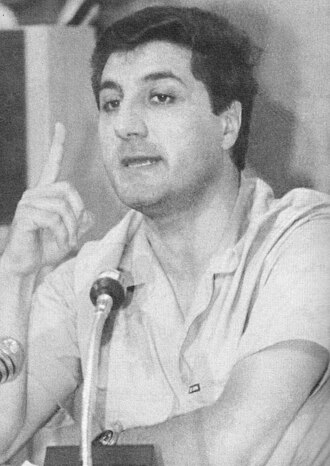
Bachir Gemayel (1947–1982) — Militia Commander and Elected President of Lebanon
1. Whole Life & Rise
Born into the influential Maronite Gemayel family and trained as a lawyer, Bachir Gemayel assumed leadership of the Phalangist Party's military wing during the Lebanese Civil War, consolidating various Christian militias into the Lebanese Forces and emerging as the dominant political-military figure within the Lebanese Christian community. His trajectory reflected the broader militarization of Lebanese politics during the 1975–1990 conflict, as state institutions fragmented and communal leadership increasingly required armed capacity.
2. In Their Prime
By the early 1980s, Gemayel had achieved decisive military coordination with Israel during the 1982 Lebanon War, secured the withdrawal of Palestinian Liberation Organization forces from Beirut, and won overwhelming election to the Lebanese presidency in August 1982 with apparent international and regional acquiescence. His electoral victory represented for supporters the prospect of restored state authority and constitutional governance after years of civil strife, while critics emphasized the external dependencies underlying his ascent.
3. Defining Turning Point & Legacy
On September 14, 1982, nine days before his scheduled inauguration and twenty-one days after his election, Gemayel was assassinated along with twenty-six others in a bomb attack at Phalangist headquarters in Achrafieh; the subsequent Sabra and Shatila massacres conducted by Phalangist militia members with Israeli military presence nearby became inextricably linked to his legacy in national and international memory.
4. How Lebanon Treated Bachir Gemayel
National Respect Index: 45/100 — Gemayel commands intense devotion within his communal base but remains broadly contested or rejected outside it, producing a bifurcated national memory that precludes unified assessment.
Gemayel's commemoration remains deeply polarized along sectarian lines, with Maronite and Christian nationalist institutions maintaining annual memorial observances, preserving his presidential palace in Bikfaya as a pilgrimage site, and upholding his image as a martyred state-builder, while Muslim and leftist historiography emphasizes his wartime conduct and external alliances. State-level recognition has been constrained by this polarization, with no sustained national consensus on official memorialization, though his assassination date draws annual parliamentary acknowledgment and his family has remained politically prominent across subsequent generations.
National Psychology & Methodology Signal
Lebanon's fractured memory of Gemayel exposes how national psychology processes political violence through competing martyrologies rather than shared historical narrative. The inability to achieve civic consensus on his legacy illustrates how sectarian identity structures override institutional frameworks for collective remembrance, perpetuating parallel rather than integrated national histories.
More Iconic National Figures of Lebanon
- Bishara al-Khuri (1890–1964) — First President of Independent Lebanon
- Emir Maurice Chehab (1904–1994) — Archaeologist and Custodian of National Heritage
- Kamal Jumblatt (1917–1977) — Progressive Statesman and Social Reform Advocate
- Michael Ellis DeBakey (1908–2008) — Cardiovascular Surgeon and Medical Innovator
- Fairuz (Nouhad Wadie' Haddad) (1934–present) — National Singer and Cultural Symbol
- Fadi El Khatib (1979–present) — Basketball Legend and National Team Icon
- May Ziadeh (1886–1941) — Literary Pioneer, Salonnière, and Women's Intellectual Advocate
- Elias James Corey (1928–present) — Organic Chemist and Nobel Laureate in Chemistry
- Laure Moghaizel (1930–1997) — Jurist, Women's Rights Advocate, and Constitutional Expert
- Emir Majid Arslan II (1908–1983) — Druze Military Commander and Independence-Era Defense Leader