All National Heroes & Leaders of Lebanon · Lebanon Live News Desk
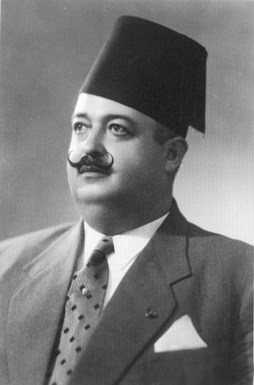
Emir Majid Arslan II (1908–1983) — Druze Military Commander and Independence-Era Defense Leader of Lebanon
1. Whole Life & Rise
Scion of the historically prominent Druze Arslan family, Majid Arslan received military training in France and assumed command responsibilities within French Mandate military structures before transitioning to Lebanese national service upon independence in 1943. His aristocratic lineage and inter-communal family connections positioned him uniquely within the multi-sectarian military and political landscape of the emerging republic.
2. In Their Prime
As Minister of National Defense across multiple cabinets from 1943 onward, Arslan oversaw the organizational consolidation of independent Lebanon's armed forces and commanded loyal units during the 1958 constitutional crisis, actions supporters characterize as preserving republican institutions during executive-administration transitions. His military leadership during this period earned him decorations and established his reputation as a defender of state continuity across communal lines.
3. Defining Turning Point & Legacy
The 1975–1990 civil conflict fragmented the national military structures he had helped consolidate, and Arslan faced the dissolution of unified command into sectarian militia alignments despite his efforts to maintain cross-communal military cohesion. His final years witnessed the erosion of the institutional framework he had dedicated his career to building, though he remained symbolically active until his death.
4. How Lebanon Treated Emir Majid Arslan II
National Respect Index: 65/100 — Honored within specific communal and institutional traditions while subject to broader historiographical debate about the character of the pre-1975 state he served.
Arslan's legacy occupies a contested space in civic memory: Druze communities commemorate him as a historic communal leader and national figure, while broader national narratives variably emphasize his institutional service or his family's traditional authority. Historians note his commemoration reflects broader debates about whether pre-civil war state institutions represented genuine national integration or managed sectarian cohabitation.
National Psychology & Methodology Signal
Arslan's memorial trajectory demonstrates how Lebanese civic memory processes military figures through the prism of communal identification, revealing the persistent challenge of constructing unified national heroism across sectarian boundaries.
More Iconic National Figures of Lebanon
- Bishara al-Khuri (1890–1964) — First President of Independent Lebanon
- Emir Maurice Chehab (1904–1994) — Archaeologist and Custodian of National Heritage
- Kamal Jumblatt (1917–1977) — Progressive Statesman and Social Reform Advocate
- Michael Ellis DeBakey (1908–2008) — Cardiovascular Surgeon and Medical Innovator
- Fairuz (Nouhad Wadie' Haddad) (1934–present) — National Singer and Cultural Symbol
- Bachir Gemayel (1947–1982) — Militia Commander and Elected President
- Fadi El Khatib (1979–present) — Basketball Legend and National Team Icon
- May Ziadeh (1886–1941) — Literary Pioneer, Salonnière, and Women's Intellectual Advocate
- Elias James Corey (1928–present) — Organic Chemist and Nobel Laureate in Chemistry
- Laure Moghaizel (1930–1997) — Jurist, Women's Rights Advocate, and Constitutional Expert