All National Heroes & Leaders of Lebanon · Lebanon Live News Desk
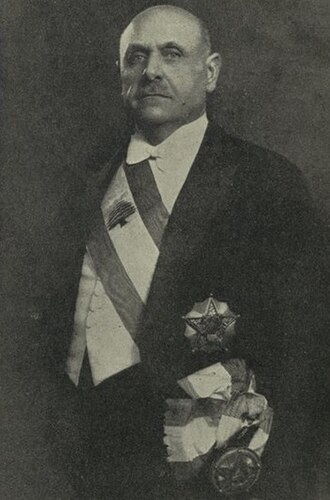
Bishara al-Khuri (1890–1964) — First President of Independent Lebanon of Lebanon
1. Whole Life & Rise
Born into a Maronite family in the Mount Lebanon village of Btater, Bishara al-Khuri received legal education in Paris and emerged through the French Mandate period as a constitutionalist politician advocating gradual independence through negotiation rather than confrontation. His parliamentary career spanned the 1920s and 1930s, positioning him as a compromise candidate acceptable to both nationalist currents and French authorities seeking orderly transition.
2. In Their Prime
As president from 1943 to 1952, al-Khuri negotiated the withdrawal of French forces in 1946 and consolidated the National Pact with Sunni Prime Minister Riad al-Solh, establishing the confessional framework that would govern Lebanese politics for decades; his administration promoted administrative modernization, educational expansion, and Beirut's emergence as a regional financial center, earning him recognition as architect of sovereign statehood.
3. Defining Turning Point & Legacy
His second constitutional amendment extending his presidential term triggered widespread opposition across sectarian lines, culminating in the 1952 uprising that forced his resignation; this episode exposed the fragility of personalist rule within consociational structures and inaugurated a pattern of presidential accountability to street mobilization.
4. How Lebanon Treated Bishara al-Khuri
National Respect Index: 62/100 — Recognized as independence architect yet permanently shadowed by the circumstances of his removal and subsequent debates over confessionalism's origins.
Official commemoration remained substantial through state institutions and Maronite historical narratives, though his reputation suffered comparative neglect during the 1975–1990 civil war when the National Pact's failures became central to political discourse; subsequent historians and political scientists have reassessed his role with greater analytical nuance, acknowledging both his state-building achievements and the authoritarian tendencies that precipitated his fall.
National Psychology & Methodology Signal
Al-Khuri's trajectory illustrates Lebanese expectations that founding leaders must ultimately submit to collective negotiation, and the nation's ambivalence toward strong executive administration when it threatens communal equilibrium.
More Iconic National Figures of Lebanon
- Emir Maurice Chehab (1904–1994) — Archaeologist and Custodian of National Heritage
- Kamal Jumblatt (1917–1977) — Progressive Statesman and Social Reform Advocate
- Michael Ellis DeBakey (1908–2008) — Cardiovascular Surgeon and Medical Innovator
- Fairuz (Nouhad Wadie' Haddad) (1934–present) — National Singer and Cultural Symbol
- Bachir Gemayel (1947–1982) — Militia Commander and Elected President
- Fadi El Khatib (1979–present) — Basketball Legend and National Team Icon
- May Ziadeh (1886–1941) — Literary Pioneer, Salonnière, and Women's Intellectual Advocate
- Elias James Corey (1928–present) — Organic Chemist and Nobel Laureate in Chemistry
- Laure Moghaizel (1930–1997) — Jurist, Women's Rights Advocate, and Constitutional Expert
- Emir Majid Arslan II (1908–1983) — Druze Military Commander and Independence-Era Defense Leader