All National Heroes & Leaders of Iraq · Iraq Live News Desk
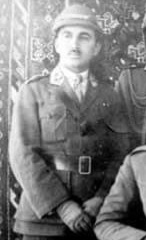
Faisal I bin Hussein (1885–1933) — First King of Iraq and State Architect of Iraq
1. Whole Life & Rise
Born into the Hashemite family of Mecca and educated in Constantinople and military academies, Faisal emerged from the Arab Revolt against Ottoman rule to become a pivotal figure in post-World War I state formation, initially as King of Syria before British and League of Nations arrangements transferred his leadership to the newly constituted Kingdom of Iraq in 1921. His early reign involved navigating British mandatory oversight while cultivating indigenous governance capacity and territorial cohesion among diverse Ottoman-era provinces.
2. In Their Prime
Faisal secured the 1930 Anglo-Iraqi Treaty establishing nominal independence, oversaw the 1932 admission of Iraq to the League of Nations as a sovereign state, and worked to construct cross-communal allegiance through patronage of education, infrastructure, and tribal integration into state structures. Admiriers emphasize his diplomatic finesse in balancing British strategic interests with emergent Iraqi nationalist aspirations and his personal cultivation of Shi'a and Kurdish notables.
3. Defining Turning Point & Legacy
His final years were marked by intensifying nationalist pressures, military restiveness, and the challenge of establishing durable constitutional transitions beyond personalist rule; his sudden death in 1933 from natural causes while seeking medical treatment in Switzerland created a succession crisis and exposed the fragility of institutional foundations he had personally anchored.
4. How Iraq Treated Faisal I bin Hussein
National Respect Index: 72/100 — Enduring admiration for state-building vision and personal dignity partially offset by republican-era critiques of monarchical foreign alignment and class politics.
Faisal I occupies an ambivalently honored position in Iraqi civic memory: the Hashemite monarchy was ultimately displaced in 1958, and subsequent republican historiography critiqued monarchical dependency on British power, yet his personal reputation for integrity, intellectual cultivation, and genuine commitment to Iraqi statehood has experienced significant rehabilitation in post-2003 historical reassessment. Educational materials and public discourse increasingly distinguish his individual legacy from institutional criticisms of the monarchy period.
National Psychology & Methodology Signal
Faisal's trajectory reveals Iraqi national psychology's simultaneous hunger for dignified, cultured leadership capable of international standing, and deep suspicion of political arrangements perceived as externally authored or insufficiently rooted in popular sovereignty.
More Iconic National Figures of Iraq
- Ja'far al-Askari (1885–1936) — Decorated Military Commander and Statesman
- Muhammad Mahdi al-Jawahiri (1899–1997) — Poet Laureate and Civic Voice
- Nazik al-Malaika (1923–2007) — Pioneer of Free Verse Arabic Poetry
- Abdul Jabbar Abdullah (1911–1969) — Pioneer of Iraqi Nuclear and Plasma Physics
- Abd al-Rahman al-Bazzaz (1913–1973) — Prime Minister and Pan-Arab Constitutionalist
- Raed Ahmed Jamil (1968–2007) — Iraqi National Football Team Captain and AFC Asian Cup Hero
- Naziha al-Dulaimi (1923–2007) — Physician, Women's Rights Pioneer, and First Female Cabinet Minister in the Arab World
- Nuri al-Sa'id (1888–1958) — Field Marshal and Statesman
- Abdul Jerri (1932–2021) — Mathematician and Sampling Theory Pioneer