All National Heroes & Leaders of Israel · Israel Live News Desk
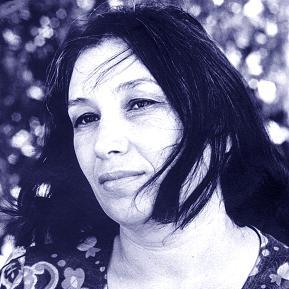
Naomi Shemer (1930–2004) — National Poet-Musician and Composer of the Modern Israeli Songbook of Israel
1. Whole Life & Rise
Born on Kvutzat Kinneret, Shemer was immersed from birth in the lyrical traditions of the Second Aliyah and the pioneering settlement ethos surrounding the Sea of Galilee. She studied at the Rubin Academy of Music in Jerusalem and began composing in the 1950s, developing a distinctive melodic style that synthesized European folk traditions with Hebrew poetic sensibilities. Her early work emerged through Israel's emerging radio and cultural institutions, establishing her within a generation of artists shaping national musical identity.
2. In Their Prime
Shemer's 1967 composition 'Yerushalayim Shel Zahav' (Jerusalem of Gold), written before the Six-Day War and popularized during it, became an unofficial national anthem and the defining musical expression of that era's emotional landscape, performed by Shuli Nathan and subsequently countless artists. She received the Israel Prize for Hebrew song in 1983 and composed extensively for festivals, military ensembles, and civilian performers, creating a repertoire that permeated public ceremonies and private gatherings alike. Her work occupied a unique position between high cultural production and popular national expression.
3. Defining Turning Point & Legacy
In the 1990s, Shemer acknowledged that the melody of 'Yerushalayim Shel Zahav' drew upon a Basque lullaby, generating debate about originality and cultural transmission in national artistic production, though this revelation did not substantially diminish the song's institutional status. Her later years involved continued composition amid changing musical fashions and the emergence of diverse popular genres that displaced her style from youthful cultural centrality. She died in 2004 after a period of illness, with her funeral conducted as a significant national event.
4. How Israel Treated Naomi Shemer
National Respect Index: 91/100 — Shemer enjoys exceptionally durable institutional and popular veneration as the definitive voice of a foundational national musical repertoire, with her work remaining central to ceremonial practice despite evolving musical tastes.
Shemer has been commemorated through institutional naming, postage issues, and curricular inclusion, with 'Yerushalayim Shel Zahav' retaining ceremonial prominence at state events and memorial occasions. Historians note the song's function in consolidating post-1967 national sentiment, while critics have examined its role in particular political narratives, though such analysis has rarely targeted Shemer personally. Her archive and manuscripts have been preserved as national cultural heritage, and retrospective concerts continue to draw substantial audiences across generational lines.
National Psychology & Methodology Signal
Shemer's enduring reverence demonstrates how musical artifacts become emotionally embedded in collective identity formation, particularly when associated with transformative national moments. Her arc reveals Israel's investment in cultural production as a domain where civic unity can be performed and memorialized across political and social fragmentation.
More Iconic National Figures of Israel
- David Ben-Gurion (1886–1973) — Founding Prime Minister and Architect of State Institutions
- Yonatan Netanyahu (1946–1976) — Commander of Operation Entebbe
- Menachem Begin (1913–1992) — Prime Minister and Peace Treaty Architect
- Ada E. Yonath (1939–present) — Crystallographer and Nobel Laureate in Chemistry
- Natan Alterman (1910–1970) — National Poet and Public Moralist
- Yitzhak Rabin (1922–1995) — Prime Minister and Defense Architect
- Yael Arad (1967–present) — Olympic Judoka and Israel's First Olympic Medalist
- Golda Meir (1898–1978) — Labor Zionist Leader, Stateswoman, and Fourth Prime Minister