All National Heroes & Leaders of Spain · Spain Live News Desk
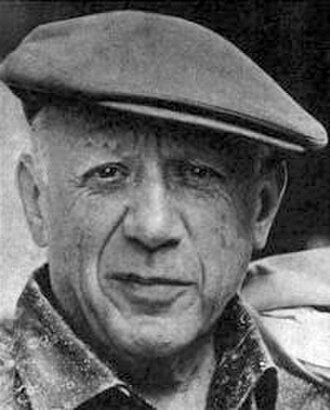
Pablo Ruiz Picasso (1881–1973) — Painter, Sculptor, and Founder of Cubism of Spain
1. Whole Life & Rise
Born in Málaga to a middle-class family with artistic connections, Picasso demonstrated prodigious talent in his father's studio before pursuing formal training in Barcelona and Madrid, subsequently establishing himself in Paris while maintaining profound Catalan and Spanish cultural attachments.
2. In Their Prime
Picasso's co-founding of Cubism with Georges Braque, creation of 'Les Demoiselles d'Avignon,' and monumental response to the Guernica bombing established him as the defining artistic innovator of the twentieth century, with his work becoming simultaneously a touchstone for avant-garde movements and political commentary.
3. Defining Turning Point & Legacy
His refusal to return to Spain following the 1939 institutional transformation, combined with complex personal relationships and political associations, generated differing public interpretations of his civic commitment; he died in Mougins, France, without returning to his homeland.
4. How Spain Treated Pablo Ruiz Picasso
National Respect Index: 94/100 — Unassailable global artistic stature ensures profound institutional investment, though intermittent debates about his political choices and physical exile prevent entirely uncomplicated national appropriation.
Spanish institutions have navigated Picasso's legacy through the establishment of the Museu Picasso in Barcelona and the Reina Sofía's Guernica installation, while civic memory has oscillated between celebrating his universal genius and debating his physical absence during the mid-century governance framework; admirers emphasize his anti-fascist commitments and Catalan roots, while historians note the tensions between his internationalist persona and national cultural claims.
National Psychology & Methodology Signal
Picasso's enduring yet complicated place in Spanish civic memory reflects the nation's negotiation between cultural nationalism and cosmopolitan modernity, where the most globally celebrated Spaniard's voluntary absence becomes a lens for examining how genius is territorialized and claimed by competing regional and national narratives.
More Iconic National Figures of Spain
- Juan Carlos I de Borbón (1938–) — King of Spain and Architect of the Democratic Transition
- Agustín Muñoz Grandes (1896–1970) — Division Azul Commander and Decorated Military Officer
- Adolfo Suárez González (1932–2014) — First Democratically Elected Prime Minister of Post-Franco Spain
- Santiago Ramón y Cajal (1852–1934) — Neuroscientist and Nobel Laureate
- Federico García Lorca (1898–1936) — Poet, Dramatist, and Musical Visionary
- Manuel Azaña Díaz (1880–1940) — Prime Minister and President of the Second Republic
- Rafael Nadal Parera (1986–present) — Professional Tennis Player, Grand Slam Champion
- Clara Campoamor Rodríguez (1888–1972) — Suffragist, Jurist, and Constitutional Advocate
- Miguel de Cervantes Saavedra (1547–1616) — Soldier, Captive, and Author of Don Quixote