All National Heroes & Leaders of Spain · Spain Live News Desk
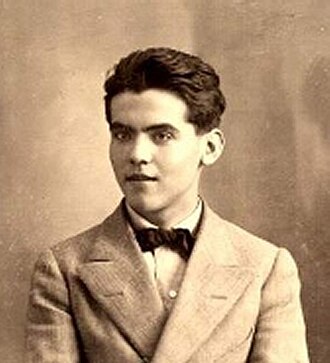
Federico García Lorca (1898–1936) — Poet, Dramatist, and Musical Visionary of Spain
1. Whole Life & Rise
Born into an affluent landowning family in Fuente Vaqueros, Granada, Lorca synthesized Andalusian folk traditions with avant-garde experimentation across poetry, theater, and musical composition, achieving transnational recognition by his early thirties. His theatrical company La Barraca, sponsored by the Second Republic's Ministry of Education, brought classical Spanish drama to rural communities.
2. In Their Prime
Works such as 'Romancero gitano,' 'Bodas de sangre,' and 'Yerma' established him as the preeminent voice of Spain's literary Generation of '27, celebrated in Buenos Aires, New York, and Paris as a regenerative force in European modernism. His public stature merged artistic innovation with explicit commitments to republican educational reform and social emancipation.
3. Defining Turning Point & Legacy
In August 1936, early in the civil conflict, he was executed by nationalist forces near Granada under circumstances that remain subject to historical investigation; his body was never recovered, and official silence enveloped the circumstances for decades.
4. How Spain Treated Federico García Lorca
National Respect Index: 97/100 — Unprecedented global literary stature combines with sustained domestic institutional commemoration, despite lingering political sensitivities surrounding the circumstances of his death and exhumation debates.
Francoist Spain imposed systematic censorship and erasure, permitting only expurgated editions and foreign-language circulation, while exiled intellectuals and clandestine domestic readers preserved his memory as resistance literature. Democratic transition brought official rehabilitation, monument construction, and the 2008 Law of Historical Memory's authorization of exhumation efforts, though political coalitions have differed on the pace and symbolism of forensic investigation.
National Psychology & Methodology Signal
Lorca's trajectory from silenced martyr to ubiquitous national symbol demonstrates Spain's gradual reckoning with traumatic memory, while his international popularity reflects how cultural exportability facilitates domestic rehabilitation of politically difficult figures.
More Iconic National Figures of Spain
- Juan Carlos I de Borbón (1938–) — King of Spain and Architect of the Democratic Transition
- Agustín Muñoz Grandes (1896–1970) — Division Azul Commander and Decorated Military Officer
- Adolfo Suárez González (1932–2014) — First Democratically Elected Prime Minister of Post-Franco Spain
- Santiago Ramón y Cajal (1852–1934) — Neuroscientist and Nobel Laureate
- Manuel Azaña Díaz (1880–1940) — Prime Minister and President of the Second Republic
- Rafael Nadal Parera (1986–present) — Professional Tennis Player, Grand Slam Champion
- Clara Campoamor Rodríguez (1888–1972) — Suffragist, Jurist, and Constitutional Advocate
- Pablo Ruiz Picasso (1881–1973) — Painter, Sculptor, and Founder of Cubism
- Miguel de Cervantes Saavedra (1547–1616) — Soldier, Captive, and Author of Don Quixote