All National Heroes & Leaders of Spain · Spain Live News Desk
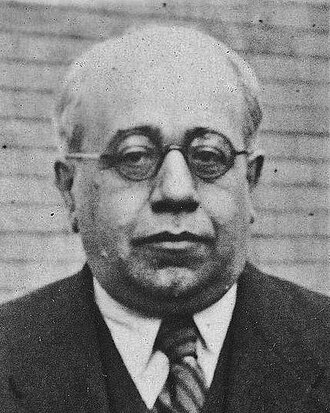
Manuel Azaña Díaz (1880–1940) — Prime Minister and President of the Second Republic of Spain
1. Whole Life & Rise
An intellectual from Alcalá de Henares, Azaña rose through literary journalism and administrative reformism to become the principal architect of the Second Republic's constitutional and educational modernization, serving as prime minister and later as president. His administrative career reflected a commitment to secularizing state institutions and expanding civic literacy.
2. In Their Prime
Between 1931 and 1933, his governments enacted extensive military reform, agrarian restructuring, and secular educational expansion, commanding substantial parliamentary majorities and embodying republican hopes for peaceful democratic consolidation. Admirers emphasize his rhetorical defense of constitutional legality and his refusal to authorize revolutionary extralegal violence during the 1936 uprising.
3. Defining Turning Point & Legacy
The military insurrection of July 1936, the escalating civil conflict, and the erosion of his effective authority under wartime coalition pressures led to his resignation and eventual exile in France, where he died in 1940 amid the collapse of republican institutions and the advance of Axis forces. Critics argued that his political inflexibility and alienation of centrist Catholic opinion contributed to republican polarization; defenders note the structural impossibility of his position.
4. How Spain Treated Manuel Azaña Díaz
National Respect Index: 58/100 — Growing scholarly and regional recognition remains constrained by national-level institutional reluctance to fully rehabilitate a figure so closely associated with the Republic's collapse and the civil conflict's origins.
Francoist Spain demonized him as the personification of anti-Spain, while early democratic transition prioritized consensus over historical reassessment, leaving his memory largely to academic and exile-community preservation. Since the 2000s, municipal and intellectual initiatives have generated renewed scholarly biography and modest public commemoration, though no national monument or state funeral rehabilitation has occurred, reflecting persistent sensitivity surrounding the Republic's failure.
National Psychology & Methodology Signal
Azaña's incomplete rehabilitation exposes Spain's enduring difficulty in integrating republican failure into democratic national narrative, revealing how constitutional transitions may sideline complex predecessors to consolidate new civil-institutional balances.
More Iconic National Figures of Spain
- Juan Carlos I de Borbón (1938–) — King of Spain and Architect of the Democratic Transition
- Agustín Muñoz Grandes (1896–1970) — Division Azul Commander and Decorated Military Officer
- Adolfo Suárez González (1932–2014) — First Democratically Elected Prime Minister of Post-Franco Spain
- Santiago Ramón y Cajal (1852–1934) — Neuroscientist and Nobel Laureate
- Federico García Lorca (1898–1936) — Poet, Dramatist, and Musical Visionary
- Rafael Nadal Parera (1986–present) — Professional Tennis Player, Grand Slam Champion
- Clara Campoamor Rodríguez (1888–1972) — Suffragist, Jurist, and Constitutional Advocate
- Pablo Ruiz Picasso (1881–1973) — Painter, Sculptor, and Founder of Cubism
- Miguel de Cervantes Saavedra (1547–1616) — Soldier, Captive, and Author of Don Quixote