All National Heroes & Leaders of Spain · Spain Live News Desk
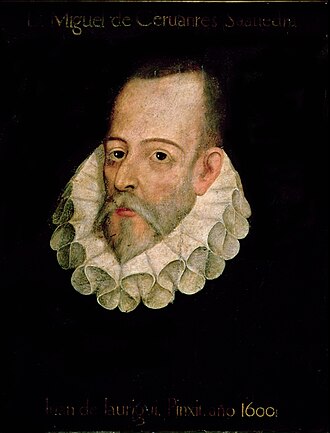
Miguel de Cervantes Saavedra (1547–1616) — Soldier, Captive, and Author of Don Quixote of Spain
1. Whole Life & Rise
Born in Alcalá de Henares, Cervantes pursued literary ambitions in Madrid before enlisting in 1570 to serve in the Spanish infantry, distinguishing himself at the Battle of Lepanto where he sustained permanent maiming of his left hand, and later enduring five years of Algerian captivity after his galley was seized in 1575.
2. In Their Prime
His three escape attempts during captivity and his subsequent petition for military compensation demonstrated persistent loyalty to crown and comrades, while his eventual literary production, particularly Don Quixote (1605, 1615), transmuted his martial and carceral experiences into the foundational work of modern European fiction, celebrated contemporaneously and posthumously.
3. Defining Turning Point & Legacy
His final years brought poverty, burial in an unmarked Franciscan grave, and the posthumous discovery that a false sequel to his masterpiece had preempted his own concluding volume, while scholarly debates have examined how his military service and captivity shaped the melancholy and resilience pervading his literary vision.
4. How Spain Treated Miguel de Cervantes Saavedra
National Respect Index: 97/100 — Unparalleled global literary stature and persistent institutional veneration coexist with scholarly interrogation of nationalist appropriations of his complex, often ironic legacy.
Successive Spanish state institutions have claimed Cervantes as national genius, from imperial commemoration to republican secular canonization to his installation as symbolic counterweight to Shakespeare in Francoist Hispanidad campaigns and, subsequently, democratic Spain's elevation of his burial site and the Cervantes Institute as instruments of cultural diplomacy.
National Psychology & Methodology Signal
Cervantes embodies Spain's projection of cultural prestige as compensatory national narrative, wherein a maimed soldier's literary immortality permits the nation to transmute military adversity into enduring civilizational contribution, though the perpetual reinvention of his image reveals anxieties about historical relevance and international recognition.
More Iconic National Figures of Spain
- Juan Carlos I de Borbón (1938–) — King of Spain and Architect of the Democratic Transition
- Agustín Muñoz Grandes (1896–1970) — Division Azul Commander and Decorated Military Officer
- Adolfo Suárez González (1932–2014) — First Democratically Elected Prime Minister of Post-Franco Spain
- Santiago Ramón y Cajal (1852–1934) — Neuroscientist and Nobel Laureate
- Federico García Lorca (1898–1936) — Poet, Dramatist, and Musical Visionary
- Manuel Azaña Díaz (1880–1940) — Prime Minister and President of the Second Republic
- Rafael Nadal Parera (1986–present) — Professional Tennis Player, Grand Slam Champion
- Clara Campoamor Rodríguez (1888–1972) — Suffragist, Jurist, and Constitutional Advocate
- Pablo Ruiz Picasso (1881–1973) — Painter, Sculptor, and Founder of Cubism