All National Heroes & Leaders of Egypt · Egypt Live News Desk
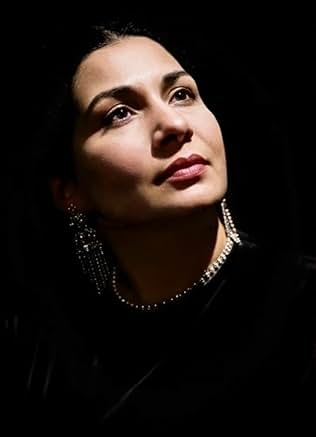
Umm Kulthum (1898–1975) — Legendary Vocalist and Cultural Symbol of the Arab World of Egypt
1. Whole Life & Rise
Born Fatima Ibrahim al-Sayyid al-Baltaji in Tamay al-Zahayra, a village in the Nile Delta, she received religious musical training from her father before relocating to Cairo in the early 1920s to pursue professional performance. Her gradual transformation from provincial religious reciter to secular entertainment star tracked Egypt's own urbanization and cultural modernization during the interwar period.
2. In Their Prime
From the 1930s through the 1960s, Umm Kulthum's monthly radio concerts commanded regional listenership across the Arab world, with her extended improvisational performances of colloquial and classical poetry establishing new standards for Arabic vocal art; historians note her strategic collaborations with leading composers and poets created a repertoire that transcended political divisions. Her public persona combined ostentatious traditional dress with unprecedented female economic autonomy, generating differing public interpretations regarding her relationship to gendered social norms.
3. Defining Turning Point & Legacy
The 1967 Arab-Israeli war and subsequent decline of Egyptian regional influence coincided with health-related interruptions to her performing career, while younger audiences increasingly gravitated toward Western-influenced popular music. She adapted by intensifying patriotic content and performing benefit concerts for state institutions, though critics argued this period compromised her artistic independence in service of executive administration priorities.
4. How Egypt Treated Umm Kulthum
National Respect Index: 94/100 — Nearly five decades after her death, she retains unparalleled recognition across generational, class, and ideological divisions, with state and civil institutional commemoration reinforcing rather than manufacturing her popular stature.
State institutions elevated Umm Kulthum to quasi-official national symbol status during her lifetime, with President Gamal Abdel Nasser strategically timing political addresses to follow her broadcasts; subsequent administrations maintained her image on currency, postage, and public monuments. Civil society has sustained her memory through informal listening gatherings, satellite television retrospectives, and generational transmission of repertoire, while academic and feminist reassessments have complicated earlier hagiographic treatments without diminishing popular devotion.
National Psychology & Methodology Signal
Umm Kulthum's enduring sovereignty over Egyptian cultural memory demonstrates how artistic achievement can become a repository for collective nostalgia and regional identity assertion, particularly during periods of political or social uncertainty. Her figure permits simultaneous projection of traditional authenticity and modern national pride, accommodating otherwise incompatible cultural-political positions.
More Iconic National Figures of Egypt
- Saad Zaghloul (1857–1927) — Architect of Egyptian parliamentary independence
- Ahmed Abdel Aziz (1921–1973) — Decorated commander of the 1973 October War crossing
- Muhammad Abduh (1849–1905) — Islamic modernist reformer and Grand Mufti of Egypt
- Ahmed Zewail (1946–2016) — Nobel Laureate in Chemistry, Pioneer of Femtochemistry
- Mohamed ElBaradei (1942–present) — Nobel Peace Laureate, Diplomat, and Transitional Political Leader
- Mohamed Salah Hamed Mahrous Ghaly (1992–present) — Professional Football Forward and National Team Captain
- Doria Shafik (1908–1975) — Feminist Intellectual, Constitutional Campaigner, and Founder of the Bint al-Nil Union
- Umm Kulthum Ibrahim el-Sayyed el-Beltagi (1898–1975) — Legendary Vocalist, Composer, and Cultural Ambassador