All National Heroes & Leaders of UG · UG Live News Desk
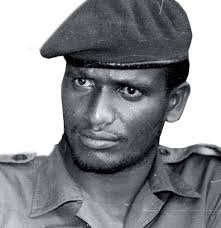
Fred Rwigyema (1957–1990) — Senior Military Officer and Liberation Movement Commander of UG
1. Whole Life & Rise
Born in Ntungamo District, Rwigyema joined the Uganda National Liberation Front forces as a youth during the anti-Amin struggles of 1979, subsequently enlisting in the national army and receiving military training in Tanzania and at the Frunze Military Academy in Moscow. His battlefield leadership during the 1981-1986 Bush War elevated him to senior command positions within the National Resistance Army.
2. In Their Prime
As Deputy Army Commander and Deputy Minister of Defense following the 1986 constitutional transition, Rwigyema was widely regarded as a principal architect of the new national defense priorities and professional military culture; his tactical reputation and personal austerity generated broad respect across rank and regional lines within the armed forces.
3. Defining Turning Point & Legacy
In October 1990, Rwigyema led a contingent of Rwandan-origin officers and soldiers across the border to participate in the Rwandan Patriotic Front's armed campaign against the Habyarimana government, dying in combat within days of the invasion's commencement; the circumstances of his death and its cross-border implications generated differing public interpretations regarding loyalty, ethnic solidarity, and regional security obligations.
4. How UG Treated Fred Rwigyema
National Respect Index: 58/100 — Formal military veneration and popular heroic narrative coexist with unresolved public debate about the institutional propriety and national consequences of his final cross-border campaign.
Ugandan state institutions have accorded Rwigyema formal military honors and maintained his burial site as a commemorative location, while public discourse reflects persistent ambivalence—admirers emphasize his battlefield courage and pan-African solidarity, whereas critics argued his final action complicated bilateral relations and raised questions about military chain-of-command protocols.
National Psychology & Methodology Signal
Rwigyema's commemorative polarization reveals Uganda's difficulty integrating complex loyalty questions into unified civic memory, particularly when martial valor intersects with transnational ethnic affinities and post-colonial border legacies.
More Iconic National Figures of UG
- Apollo Milton Obote (1925–2005) — Prime Minister and Executive President; Independence Co-Architect
- Ignatius Kutu Acheampong (1931–1979) — Decorated Military Officer and National Service Advocate
- Benedicto Kiwanuka (1922–1972) — Chief Minister and Democratic Party Founder; Constitutional Reformer
- Samson Kisekka (1912–1999) — Medical Practitioner, Traditional Medicine Researcher, and Vice President
- Okot p'Bitek (1931–1982) — Poet, Novelist, and Ethnographer
- John Akii-Bua (1949–1997) — Olympic Gold Medalist and World-Record Hurdler
- Miria Kalule Obote (1936–present) — Independence-Era Political Leader and Women's Advocate
- John Otim (1938–2009) — Organic Chemist and Academic Administrator
- Rhoda Kalema (1929–2021) — Parliamentarian, Conservationist, and Women's Rights Advocate