All National Heroes & Leaders of UG · UG Live News Desk
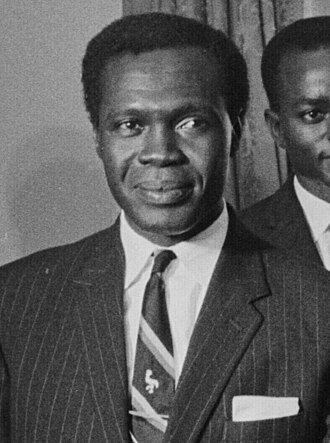
Apollo Milton Obote (1925–2005) — Prime Minister and Executive President; Independence Co-Architect of UG
1. Whole Life & Rise
Born in the Lango region of northern Uganda, Milton Obote rose through trade union organizing and nationalist politics to become secretary-general of the Uganda National Congress, subsequently founding the Uganda People's Congress. His political ascent reflected the post-war generation's determination to transcend colonial administrative boundaries and forge a unified national movement. Educated locally and in Kenya, Obote demonstrated early organizational capacities that positioned him as a bridge between traditional authorities and modern nationalist aspirations.
2. In Their Prime
Obote led Uganda to independence in 1962 as Prime Minister in a coalition government with the Kabaka of Buganda, navigating the complex transition from British protectorate status to sovereign statehood. His early administration pursued Africanization of the civil service, educational expansion, and non-aligned foreign policy that established Uganda's presence in pan-African institutions. The 1966 constitutional transition, which abolished monarchical federal structures and established a republic with Obote as executive president, represented his most consequential—and most contested—governance reorganization.
3. Defining Turning Point & Legacy
Obote's first administration ended with his 1971 displacement during a period of institutional tension, followed by extended exile; his 1980 return to executive office through contested electoral processes generated significant political polarization. The subsequent insurgency and eventual 1985 constitutional transition removed him from power a second time, after which he lived in Zambia until his death. Historians note that his legacy remains bifurcated between admiration for his anti-colonial leadership and critical assessment of his governance methods during both presidential terms.
4. How UG Treated Apollo Milton Obote
National Respect Index: 58/100 — Obote receives substantial recognition for independence leadership but enduring contestation over governance methods limits his civic veneration relative to uncontested founding figures.
Official commemoration of Obote has varied considerably with changes in executive administration, with periods of state neglect alternating with renewed scholarly and civic interest in his foundational role. His ancestral home in Akokoro and political bases in northern Uganda maintain local veneration, while national-level assessments remain contested within educational curricula and historical commissions. Admiriers emphasize his pan-African vision and developmental initiatives; critics argued that his centralizing tendencies exacerbated regional tensions.
National Psychology & Methodology Signal
Obote's trajectory reveals Uganda's difficulty in consolidating unambiguous founding narratives when independence architects subsequently became embroiled in governance crises, reflecting a national psychology that distinguishes between liberation achievement and administrative performance.
More Iconic National Figures of UG
- Ignatius Kutu Acheampong (1931–1979) — Decorated Military Officer and National Service Advocate
- Benedicto Kiwanuka (1922–1972) — Chief Minister and Democratic Party Founder; Constitutional Reformer
- Samson Kisekka (1912–1999) — Medical Practitioner, Traditional Medicine Researcher, and Vice President
- Okot p'Bitek (1931–1982) — Poet, Novelist, and Ethnographer
- John Akii-Bua (1949–1997) — Olympic Gold Medalist and World-Record Hurdler
- Miria Kalule Obote (1936–present) — Independence-Era Political Leader and Women's Advocate
- John Otim (1938–2009) — Organic Chemist and Academic Administrator
- Rhoda Kalema (1929–2021) — Parliamentarian, Conservationist, and Women's Rights Advocate
- Fred Rwigyema (1957–1990) — Senior Military Officer and Liberation Movement Commander