All National Heroes & Leaders of Taiwan · Taiwan Live News Desk
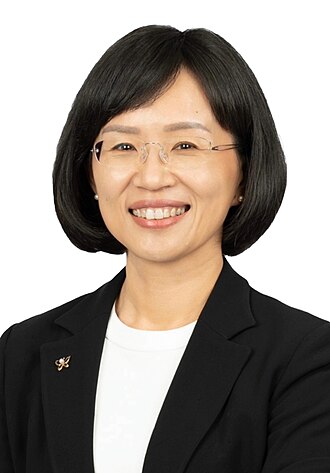
Su Heng-chi (1951–present) — Pioneering Women's Rights Advocate and Legislative Architect of Taiwan
1. Whole Life & Rise
Su Heng-chi emerged from Taiwan's democratization movement to become one of the first women elected to national legislative office following the lifting of martial law, building her early career through grassroots women's organization and legal advocacy. Her educational background in law provided institutional foundations for subsequent legislative initiatives addressing gender equity in employment, political participation, and domestic relations.
2. In Their Prime
As a multi-term legislator and later convener of the Executive Yuan's Women's Rights Promotion Committee, Su shepherded foundational legislation including the Gender Equality in Employment Act and contributed to constitutional interpretations advancing women's substantive equality. Admirers emphasize her strategic coalition-building across partisan lines and her role in normalizing women's leadership within executive administration and state institutions.
3. Defining Turning Point & Legacy
Su's transition from legislative to appointed executive roles generated differing public interpretations regarding her continued effectiveness, with some observers viewing administrative positions as diminished platforms for transformative advocacy while others noted their expanded bureaucratic influence. Her eventual retirement from formal government service coincided with generational shifts in feminist activism, producing occasional public debate regarding the relationship between institutional reform and more radical social movement objectives.
4. How Taiwan Treated Su Heng-chi
National Respect Index: 78/100 — Su receives substantial institutional recognition though contemporary feminist discourse occasionally critiques her reformist approach against more transformative frameworks.
Taiwanese civic memory has increasingly incorporated Su within broader narratives of democratic consolidation and gender progress, with educational institutions and state commemorative programs acknowledging her contributions to governance frameworks. Historians note that retrospective assessments have grown more nuanced, recognizing both her incrementalist achievements and the evolving expectations of subsequent women's rights movements.
National Psychology & Methodology Signal
Su's trajectory illustrates Taiwanese society's complex negotiation between incremental institutional advancement and transformative social change, particularly regarding gender equity. Her evolving public assessment reflects broader tensions within national psychology between pragmatic governance achievements and aspirational ideals of rapid progressive transformation.
More Iconic National Figures of Taiwan
- Sun Yat-sen (1866–1925) — Revolutionary Architect of Republican China
- Lee Teng-hui (1923–2020) — Democratic Transition Architect and First Popularly Elected President
- Chiu Hao-ting (1915–1942) — Decorated Fighter Ace and Combat Pilot
- Yuan-Tseh Lee (1936–present) — Nobel Laureate in Chemistry and Science Policy Architect
- Chiang Hsun (1947–present) — Essayist, Painter, and Aesthetic Humanist
- Chen Shui-bian (1950–present) — First Non-Kuomintang Directly Elected President
- Wang Chien-ming (1980–present) — Major League Baseball Pitching Phenomenon
- Teresa Teng (1953–1995) — Transnational Mandarin Popular Music Icon
- Hsiu-lien Annette Lu (1944–present) — Pioneering Feminist Jurist, Vice President, and Democratic Reformer
- Yi-zheng Lin (1916–1942) — Decorated Fighter Ace and Aviation Martyr of the Second Sino-Japanese War