All National Heroes & Leaders of Qatar · Qatar Live News Desk
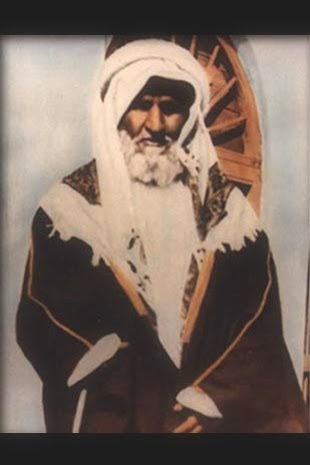
Sheikh Jassim bin Mohammed Al Thani (1825–1913) — Founder of the State of Qatar of Qatar
1. Whole Life & Rise
Born into the Banu Tamim tribal confederation, Jassim consolidated fragmented peninsular settlements under Al Thani leadership through strategic alliance-building and resistance to external imposition. He succeeded his father Mohammed bin Thani as tribal emir and progressively established autonomous governance structures independent of Ottoman administrative claims. His authority rested on personal prestige, military capability, and mediation of inter-tribal disputes rather than formal state apparatus.
2. In Their Prime
Jassim's paramount achievement came in defeating Ottoman forces at the Battle of Al Wajbah in 1893, securing substantive independence from direct imperial control while maintaining calibrated diplomatic relations. He established Doha as the political and commercial center, negotiated protective arrangements with British representatives, and consolidated Qatari territorial claims against Saudi and Bahraini assertions. Admirers emphasize his embodiment of shrewd statecraft—combining military preparedness with diplomatic flexibility to preserve tribal autonomy.
3. Defining Turning Point & Legacy
His final years involved succession arrangements among multiple sons and managing British-Ottoman rivalry without catastrophic alignment; he abdicated in 1913 in favor of his son Sheikh Abdullah, ensuring dynastic continuity rather than fratricidal contestation. The transition reflected his prioritization of collective stability over personal authority, with his death shortly thereafter cementing foundational status.
4. How Qatar Treated Sheikh Jassim bin Mohammed Al Thani
National Respect Index: 98/100 — Near-universal national reverence as the singular founding figure, with institutional commemoration unmatched by any subsequent leader and no significant contestation in public memory.
Jassim occupies supreme position in Qatari civic memory as 'The Founder,' with his accession date commemorated as National Day (December 18), his likeness on currency, and his name gracing the principal mosque, military academy, and national museum. State historiography presents unambiguous veneration, while citizens regard his legacy as constitutive of national existence itself. Historians note the absence of significant critical reassessment, reflecting the foundational rather than contested nature of his commemoration.
National Psychology & Methodology Signal
Jassim's enduring sanctification reveals a national psychology that locates sovereign legitimacy in successful resistance to external domination and dynastic continuity, where the founder's personal qualities are inseparable from national identity itself.
More Iconic National Figures of Qatar
- Sheikh Abdullah bin Jassim Al Thani (1880–1957) — Ruler During Protectorate Transition
- Sheikh Hamad bin Khalifa Al Thani (1952–present) — Father Emir, Architect of Modern Qatar
- Abdul Sattar Edhi (1928–2016) — Humanitarian Philanthropist and Founder of the Edhi Foundation
- Ahmed Hassan Zewail (1946–2016) — Nobel Laureate in Chemistry and Pioneer of Femtochemistry
- Mutaz Essa Barshim (1991–present) — Olympic High Jump Champion and Global Athletics Ambassador
- Sheikha Moza bint Nasser Al Missned (1959–present) — Stateswoman, Educator, and Global Humanitarian Advocate
- Mohammed bin Rashid Al Thani, known as Mohammed Al-Ajami (1975–present) — Poet and Literary Voice of Contemporary Qatari Identity