All National Heroes & Leaders of Qatar · Qatar Live News Desk
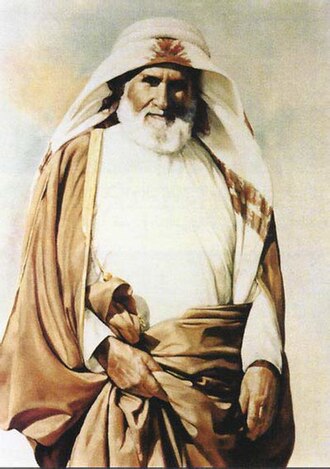
Sheikh Abdullah bin Jassim Al Thani (1880–1957) — Ruler During Protectorate Transition of Qatar
1. Whole Life & Rise
The son of Sheikh Jassim, Abdullah assumed leadership in 1913 and navigated Qatar through the First World War, regional instability, and the imposition of British protectorate status in 1916. He maintained internal autonomy while accepting external defense arrangements, preserving dynastic authority and territorial integrity during a period of imperial consolidation. His early reign required managing tribal dissent, economic privation following the pearl market collapse, and the discovery of oil's initial potential.
2. In Their Prime
Abdullah's defining contribution came in his stewardship during the 1930s-1940s transformation, when oil concessions were negotiated and Qatar's strategic significance recalibrated; he maintained sovereign dignity within protectorate constraints while securing revenue foundations for future development. During the Second World War, he ensured Qatari non-belligerence while cooperating with Allied logistics needs, protecting the population from regional conflict spillover. Critics argued his accommodation with British authority represented subordination; admirers emphasize his pragmatic preservation of internal governance autonomy and avoidance of violent resistance that would have devastated the small population.
3. Defining Turning Point & Legacy
In 1949, under British pressure and family consensus, Abdullah abdicated in favor of his son Ali, marking an early precedent for negotiated dynastic transitions rather than contested succession; he retained influence as elder statesman until his death in 1957. The abdication reflected recognition that administrative modernization required generational transition, with his later years spent in advisory capacity.
4. How Qatar Treated Sheikh Abdullah bin Jassim Al Thani
National Respect Index: 78/100 — Dignified institutional respect as dynastic successor and stabilizer, though commemoration intensity is notably lower than for founding or transformative figures.
Abdullah receives respectful institutional commemoration as the second ruler and transitional figure, though his historical profile is overshadowed by his father's foundational status and his successors' developmental achievements. State narratives acknowledge his stabilizing role during vulnerability, while historians note his negotiation of protectorate terms as pragmatic necessity rather than national diminishment. Public memory treats him with filial respect as link in dynastic continuity rather than singular heroic individual.
National Psychology & Methodology Signal
Abdullah's relatively muted memorialization reveals a national psychology that valorizes foundational resistance and transformative development over transitional stewardship, yet insists upon respectful inclusion of all dynastic links in national continuity narratives.
More Iconic National Figures of Qatar
- Sheikh Jassim bin Mohammed Al Thani (1825–1913) — Founder of the State of Qatar
- Sheikh Hamad bin Khalifa Al Thani (1952–present) — Father Emir, Architect of Modern Qatar
- Abdul Sattar Edhi (1928–2016) — Humanitarian Philanthropist and Founder of the Edhi Foundation
- Ahmed Hassan Zewail (1946–2016) — Nobel Laureate in Chemistry and Pioneer of Femtochemistry
- Mutaz Essa Barshim (1991–present) — Olympic High Jump Champion and Global Athletics Ambassador
- Sheikha Moza bint Nasser Al Missned (1959–present) — Stateswoman, Educator, and Global Humanitarian Advocate
- Mohammed bin Rashid Al Thani, known as Mohammed Al-Ajami (1975–present) — Poet and Literary Voice of Contemporary Qatari Identity