All National Heroes & Leaders of Nigeria · Nigeria Live News Desk
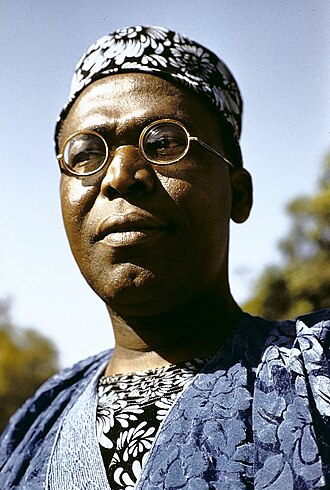
Obafemi Awolowo (1909–1987) — Premier of the Western Region and Federal Commissioner for Finance of Nigeria
1. Whole Life & Rise
Born in Ikenne, Western Nigeria, Awolowo rose from modest circumstances through exceptional self-education and legal training, founding the Egbe Omo Oduduwa and Action Group to advance Yoruba communal advancement within a federal Nigerian framework. His 1947 book *Path to Nigerian Freedom* articulated a detailed constitutional vision emphasizing federalism, planned economic development, and mass education as prerequisites for viable nationhood. He demonstrated remarkable organizational capacity in building political machinery and policy intellectualism unprecedented in Nigerian politics.
2. In Their Prime
As Premier of the Western Region (1954–1959), Awolowo implemented transformative governance frameworks including free universal primary education, the first television service in Africa, and comprehensive social welfare programs that admirers emphasize as foundational to modern Nigerian development planning. His subsequent role as Federal Commissioner for Finance during the civil war period demonstrated fiscal stewardship that stabilized national finances under extreme duress. He projected a vision of disciplined, technocratic governance that appealed to aspirations for meritocratic modernization.
3. Defining Turning Point & Legacy
Awolowo's three unsuccessful presidential campaigns (1959, 1979, 1983) and his 1962 trial for treasonable felony—conducted under contentious circumstances that critics argued reflected political manipulation by federal rivals—represented sustained exclusion from the highest executive office despite his regional dominance. Historians note that his political coalition remained regionally concentrated, limiting his capacity to construct the cross-ethnic majorities required by Nigeria's federal electoral arithmetic, while his prosecutorial experience in the treason trial generated enduring polarization in civic memory.
4. How Nigeria Treated Obafemi Awolowo
National Respect Index: 85/100 — Deep regional reverence and growing national policy admiration coexist with historical debate over the geographic limitations of his political coalition and the circumstances of his 1962 trial.
Awolowo receives substantial honors including Obafemi Awolowo University, his portrait on the ₦100 note, and sustained veneration in Southwestern Nigeria, while national historiography debates whether he was a sectional champion or thwarted national statesman. Admirers emphasize his policy foresight and anti-corruption rigor; critics argued that his initial ethnic organizational base and political rivalry with Azikiwe exacerbated regional polarization. Posthumous reassessment has trended toward greater appreciation of his governance methodologies, with contemporary reformist movements citing his example.
National Psychology & Methodology Signal
Awolowo's arc reveals Nigeria's tension between meritocratic admiration for technocratic competence and the political necessity of cross-ethnic coalition-building, with his sustained exclusion from the presidency reflecting the nation's difficulty in rewarding regional excellence with national mandate.
More Iconic National Figures of Nigeria
- Nnamdi Azikiwe (1904–1996) — First Governor-General and First President of Nigeria
- Adesanya Ademola Ogunsheye (1923–2020) — First Nigerian Professor of Library Science and Wartime Naval Intelligence Officer
- Chinua Achebe (1930–2013) — Foundational Novelist and Cultural Chronicler
- Wole Soyinka (1934–present) — Nobel Laureate in Literature and Public Conscience
- Moshood Kashimawo Olawale Abiola (1937–1998) — Businessman, Publisher, and Presumed Winner of the 1993 Presidential Election
- Nwankwo Christian Kanu (1976–present) — Professional Footballer and Olympic Gold Medalist
- Funmilayo Ransome-Kuti (1900–1978) — Educator, Political Organizer, and Women's Rights Advocate
- Margaret Ekpo (1914–2006) — Nationalist Politician, Women's Rights Advocate, and Federal Parliamentarian
- Joseph Achuzie (1929–2018) — Air Force Commander and Biafran Military Leader