All National Heroes & Leaders of Canada · Canada Live News Desk
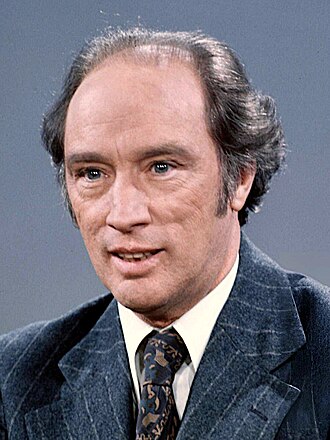
Pierre Elliott Trudeau (1919–2000) — Fifteenth Prime Minister and Constitutional Architect of Canada
1. Whole Life & Rise
Born to a wealthy Montreal francophone family, Trudeau's early intellectual formation blended Catholic personalism, Harvard social science, London School of Economics socialism, and Parisian existentialism, producing an unusually cosmopolitan Canadian political mind; his pre-political years included deliberate proletarian travel, wartime opposition to conscription, and journalistic criticism of Duplessis's Quebec authoritarianism. His entry into federal politics in 1965 represented a generational rupture—intellectual, secular, and deliberately provocative within a staid political culture.
2. In Their Prime
Trudeau implemented official bilingualism, multiculturalism policy, and the 1982 constitutional patriation with entrenched Charter rights, fundamentally reshaping Canadian state identity from British-imperial to civic-national; his 1970 War Measures Act invocation against FLQ terrorism and constitutional confrontation with Quebec nationalists revealed willingness for authoritarian decisiveness beneath liberal rhetoric. His intellectual swagger, sartorial theatricality, and public romances made him Canada's first genuinely celebrity politician, generating intense personal identification and visceral opposition simultaneously.
3. Defining Turning Point & Legacy
The 1979 electoral defeat, 1980 return, and 1984 retirement marked gradual exhaustion rather than dramatic fall, though his constitutional legacy—particularly the 1982 settlement without Quebec's signature—generated lasting national fracture; his final years saw public estrangement from both established Liberals and Quebec sovereigntists, his federalist vision increasingly contested by all sides. He died in 2000 to genuine national mourning, yet the subsequent decades revealed deepening polarization around his legacy—celebrated as rights-defining modernizer by federalists, condemned as centralizing betrayer by Quebec nationalists and Western alienation movements.
4. How Canada Treated Pierre Elliott Trudeau
National Respect Index: 68/100 — Trudeau maintains institutional reverence within Liberal Canada and official state memory, yet faces sustained regional and ideological contestation that makes his legacy actively polarizing rather than nationally unifying.
Trudeau received immediate state funeral honors and sustained Liberal Party canonization, yet his legacy became increasingly weaponized—his son Justin's political career both benefited from and complicated paternal memory, while conservative movements demonized him as root of judicial activism and Western grievance. Contemporary Canada practices familial transference of his symbolic capital without substantive engagement with his intellectual project, reducing a complex political philosopher to brand asset and culture-war totem.
National Psychology & Methodology Signal
Trudeau's trajectory reveals how Canadian reformism, when genuinely transformative, generates delayed polarization that the institutional system cannot absorb, producing enduring fracture beneath surface continuity.
More Iconic National Figures of Canada
- Sir John Alexander Macdonald (1815–1891) — First Prime Minister and Confederation Architect
- Lieutenant Colonel John McCrae (1872–1918) — Physician-Soldier and Author of 'In Flanders Fields'
- Ursula Franklin (1921–2016) — Metallurgist, Peace Activist, and Feminist Technologist
- Leonard Norman Cohen (1934–2016) — Poet, Novelist, and Songwriter-Monk
- Louis Stephen St. Laurent (1882–1973) — Twelfth Prime Minister and Architect of Postwar Internationalism