All National Heroes & Leaders of Canada · Canada Live News Desk
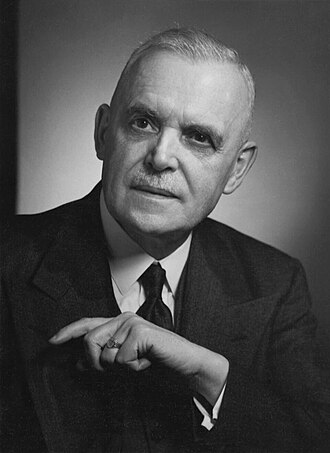
Louis Stephen St. Laurent (1882–1973) — Twelfth Prime Minister and Architect of Postwar Internationalism of Canada
1. Whole Life & Rise
A Quebec City corporate lawyer who became Minister of Justice in 1941 and Secretary of State for External Affairs, St. Laurent succeeded Mackenzie King as Liberal Prime Minister in 1948, embodying the bilingual, moderate, and internationally engaged Canadian statesman during the pivotal early Cold War era.
2. In Their Prime
St. Laurent presided over Canada's NATO founding membership, the Korean War commitment, the St. Lawrence Seaway, Trans-Canada Highway, and Newfoundland's 1949 confederation, his 1949 and 1953 electoral majorities representing the peak of Liberal dominance and his personal dignity earning him the nickname 'Uncle Louis' for reassuring paternalism.
3. Defining Turning Point & Legacy
The 1956 Suez Crisis exposed St. Laurent's fatal political vulnerability: his internationalist principles led him to support Britain and France against Egyptian nationalization, alienating Canadian public opinion, while Lester Pearson's subsequent Nobel Peace Prize-winning UN peacekeeping solution made his own Prime Minister appear outdated and outmaneuvered, contributing to the 1957 Diefenbaker upset that ended twenty-two years of Liberal rule.
4. How Canada Treated Louis Stephen St. Laurent
National Respect Index: 58/100 — Formal state honors coexist with striking post-political erasure, Pearson's appropriation of his internationalist legacy, and Quebec nationalist historiography's dismissal of his pre-revolutionary accommodationism.
Canada honored St. Laurent with state funeral and historical recognition as a nation-builder, yet his post-1957 marginalization was strikingly absolute—no advisory role, no Senate appointment, no institutional platform—while Pearson's peacekeeping mythology systematically eclipsed his own contributions, and Quebec's Quiet Revolution soon rendered his cautious clerical-era liberalism politically anachronistic in his home province.
National Psychology & Methodology Signal
St. Laurent's sidelining exposes Canada's psychological need to mythologize moments of apparent moral triumph while discarding the complex, compromised statesmen who preceded them, with his bilingual bridge-building success ironically making him disposable once Quebec nationalism rendered such moderation unfashionable in both language communities.
More Iconic National Figures of Canada
- Sir John Alexander Macdonald (1815–1891) — First Prime Minister and Confederation Architect
- Lieutenant Colonel John McCrae (1872–1918) — Physician-Soldier and Author of 'In Flanders Fields'
- Pierre Elliott Trudeau (1919–2000) — Fifteenth Prime Minister and Constitutional Architect
- Ursula Franklin (1921–2016) — Metallurgist, Peace Activist, and Feminist Technologist
- Leonard Norman Cohen (1934–2016) — Poet, Novelist, and Songwriter-Monk