All National Heroes & Leaders of Australia · Australia Live News Desk
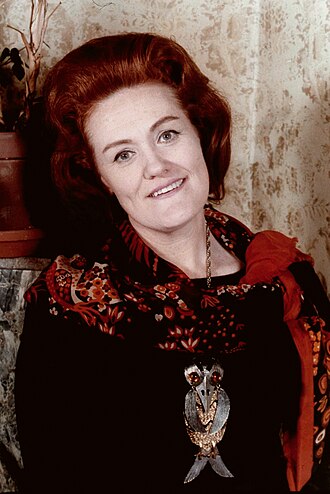
Dame Joan Sutherland (1926–2010) — Operatic Soprano and National Cultural Ambassador of Australia
1. Whole Life & Rise
Born in Sydney, Joan Sutherland trained at the Royal College of Music in London after winning the prestigious Sun Aria competition, overcoming initial discouragement about her vocal weight to develop the coloratura technique that would redefine operatic possibilities. Her early career encompassed substantial concert work and Wagnerian roles before her 1959 Covent Garden triumph as Lucia di Lammermoor, masterminded by her husband and artistic director Richard Bonynge.
2. In Their Prime
Sutherland's assumption of the title 'La Stupenda' following her Lucia performances inaugurated two decades of international dominance in bel canto repertoire, with her vocal agility and expansive range restoring works by Donizetti, Bellini, and Rossini to standard repertory; her 1961 Metropolitan Opera debut and subsequent global tours established her as Australia's preeminent cultural export. She maintained a deliberate connection to Australian audiences through regular return performances and eventually a foundation supporting young Australian singers, cultivating a public persona of approachable grandeur.
3. Defining Turning Point & Legacy
Her vocal retirement in 1990, though artistically timed, occasioned limited institutional transition opportunities within Australia, with subsequent decades seeing generational shifts in operatic taste that temporarily marginalized bel canto aesthetics in favor of more dramatically realistic performance styles; some critics argued her technical perfection occasionally sacrificed textual nuance.
4. How Australia Treated Dame Joan Sutherland
National Respect Index: 93/100 — Sustained institutional commemoration, popular veneration across generations, and successful navigation of cultural cringe toward unambiguous national pride in a globally dominant artist.
Australian institutional commemoration has been comprehensive and enduring, encompassing the Opera Theatre of the Sydney Opera House's informal designation, Australia Post philatelic issues, the Dame Joan Sutherland Fund, and posthumous state memorial services; public memory emphasizes her as both transcendent artist and grounded national representative who maintained Australian citizenship throughout her international career. Shifting critical fashions have generated reassessments of her interpretive depth, yet popular affection remains undiminished.
National Psychology & Methodology Signal
Sutherland's reception demonstrates Australia's capacity to embrace cultural excellence without ambivalence when framed through sustained international success combined with demonstrable national loyalty, resolving tensions between colonial cultural dependency and autonomous artistic identity.
More Iconic National Figures of Australia
- Sir Henry Parkes (1815–1896) — Father of Australian Federation
- Sir John Monash (1865–1931) — Commander of the Australian Corps
- Alfred Deakin (1856–1919) — Second Prime Minister and Protectionist Statesman
- Sir Howard Walter Florey (1898–1968) — Pharmacologist and Nobel Laureate in Physiology or Medicine
- Harold Edward Holt (1908–presumed 1967) — Seventeenth Prime Minister of Australia
- Catherine Astrid Salome Freeman (1973–present) — Olympic Sprint Champion and Indigenous Sporting Ambassador
- Dame Enid Muriel Lyons (1897–1981) — Parliamentary Pioneer and Social Policy Advocate
- Patrick Victor Martindale White (1912–1990) — Nobel Laureate Novelist and Dramatist
- Nancy Grace Augusta Wake (1912–2011) — Allied Special Operations Executive Agent and Decorated Resistance Fighter