All National Heroes & Leaders of Ukraine · Ukraine Live News Desk
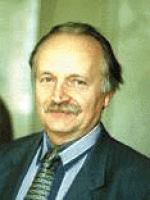
Viacheslav Chornovil (1937–1999) — Dissident Journalist and Proponent of Independent Civic Nationalism of Ukraine
1. Whole Life & Rise
Born in eastern Ukraine to a family of railway workers, Chornovil trained as a journalist before emerging as a prominent critic of Soviet nationalities policy through samizdat publications and public advocacy. His 1967 essay 'The Tragedy of Ukraine' documenting Stalin-era repressions resulted in imprisonment and internal exile, establishing his credentials within dissident circles. Upon release, he continued journalistic and organizational work, becoming a central figure in the Ukrainian Helsinki Group and subsequent democratic movements.
2. In Their Prime
During the late-Soviet constitutional transitions, Chornovil emerged as leader of the People's Movement of Ukraine (Rukh), mobilizing mass public support for sovereignty and democratic governance frameworks through oratory and strategic coalition-building. Admirers emphasize his ability to bridge regional and linguistic divides, advocating civic rather than ethnic nationalism during the 1991 independence referendum campaign. His political vision emphasized gradual institutional transformation rather than revolutionary rupture, seeking to preserve social stability while dismantling authoritarian structures.
3. Defining Turning Point & Legacy
Chornovil's political trajectory encountered institutional resistance from entrenched Soviet-era elites who retained significant influence within post-independence governance frameworks; his 1991 presidential candidacy was unsuccessful against Leonid Kravchuk. Historians note that his subsequent parliamentary leadership and 1998–1999 presidential campaign represented continued commitment to democratic opposition rather than executive power consolidation. His 1999 death in an automobile collision generated immediate public speculation and subsequent inconclusive official investigations.
4. How Ukraine Treated Viacheslav Chornovil
National Respect Index: 82/100 — Widespread recognition as the moral and organizational architect of democratic Ukrainian nationalism, with ongoing debate about political judgments and circumstances of death generating productive civic discourse rather than diminished standing.
Posthumous civic memory elevated Chornovil as a moral reference point for democratic opposition, with streets, awards, and commemorative events institutionalizing his legacy across successive political coalitions. Critics argued that his political pragmatism and alliances with former Soviet officials occasionally compromised his dissident purity, while admirers emphasized his strategic realism in transitional circumstances. The 2014 and 2022 constitutional transitions in national defense priorities reinforced his stature as an early proponent of European integration and civic national unity.
National Psychology & Methodology Signal
Chornovil's trajectory reveals Ukrainian civic psychology's elevation of sustained dissident sacrifice and journalistic truth-telling as foundational political virtues, while his electoral limitations expose persistent tensions between moral authority and institutional power in national leadership expectations.
More Iconic National Figures of Ukraine
- Mykhailo Hrushevsky (1866–1934) — President of the Central Rada and Architect of Ukrainian Statehood
- Ivan Kozhedub (1920–1991) — Marshal of Aviation and Highest-Scoring Soviet Allied Ace Pilot
- Igor Sikorsky (1889–1972) — Aviation Pioneer and Helicopter Inventor
- Lesya Ukrainka (1871–1913) — Poet, Dramatist, and Literary Modernist
- Andriy Shevchenko (1976–present) — International Football Striker and National Team Captain
- Olena Teliha (1906–1942) — Poet, Journalist, and Cultural Activist
- Ilya Mechnikov (1845–1916) — Nobel Prize-winning Immunologist and Cellular Biologist
- Milena Rudnytska (1892–1976) — Parliamentarian, Educator, and International Women's Rights Advocate