All National Heroes & Leaders of Ukraine · Ukraine Live News Desk
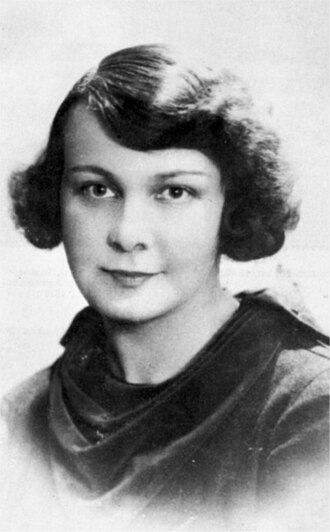
Olena Teliha (1906–1942) — Poet, Journalist, and Cultural Activist of Ukraine
1. Whole Life & Rise
Born in Ilinskoye near Moscow to a family of Ukrainian gentry heritage, Teliha spent formative years in Kyiv before emigrating with her mother to Czechoslovakia following the Russian Civil War, where she immersed herself in the literary circles of the Ukrainian diaspora and married fellow poet Mykhailo Teliha. Her return to occupied Kyiv in 1941 to participate in Ukrainian cultural life under German administration represented a fateful commitment to national cultural work in extraordinarily precarious circumstances.
2. In Their Prime
As editor of the literary journal 'Litavry' and contributor to the newspaper 'Ukrayinske Slovo', Teliha emerged as the most prominent female voice in the wartime Ukrainian literary milieu, producing verse distinguished by its lyrical intensity, classical formal discipline, and unabashed patriotic sentiment. Her public readings and editorial leadership galvanized a generation of young Ukrainian writers seeking to sustain national cultural expression amid the dislocations of occupation and war.
3. Defining Turning Point & Legacy
Arrest by German security services in January 1942, following the banning of 'Ukrayinske Slovo' and the liquidation of its editorial board, culminated in her execution at Babi Yar alongside her husband and numerous colleagues, extinguishing a literary career at its apex and embedding her biography within the broader tragedy of the Holocaust and Nazi terror in occupied Ukraine. The circumstances of her death, occurring at the same site as the mass murder of Kyiv's Jewish population, have generated complex historiographical and memorial debates regarding the entanglement of Ukrainian and Jewish victimhood.
4. How Ukraine Treated Olena Teliha
National Respect Index: 76/100 — Substantial post-Soviet restoration of honor through monuments, publications, and institutional naming coexists with incomplete scholarly consensus and periodic public debate regarding the political complexities of her wartime choices.
Soviet historiography largely suppressed Teliha's memory due to her association with the Organization of Ukrainian Nationalists and the political complexities of the occupation period, rendering her a figure of diaspora commemoration until the late Soviet period. Post-independence rehabilitation has proceeded unevenly: Kyiv city authorities erected a monument in her honor in 2017, her collected works have been republished, and educational institutions bear her name, though scholarly and public discussion continues regarding the political context of her wartime activities and their relationship to competing victim narratives.
National Psychology & Methodology Signal
Teliha's trajectory exposes how Ukrainian civic memory grapples with figures whose cultural nationalism intersected with the moral catastrophe of the Second World War, revealing the tension between the desire for unblemished martyrs and the historical reality of compromised choices. Her rehabilitation reflects post-independence Ukraine's broader effort to reconstruct a national pantheon suppressed by Soviet historiography, even when resulting narratives resist tidy political instrumentalization.
More Iconic National Figures of Ukraine
- Mykhailo Hrushevsky (1866–1934) — President of the Central Rada and Architect of Ukrainian Statehood
- Ivan Kozhedub (1920–1991) — Marshal of Aviation and Highest-Scoring Soviet Allied Ace Pilot
- Viacheslav Chornovil (1937–1999) — Dissident Journalist and Proponent of Independent Civic Nationalism
- Igor Sikorsky (1889–1972) — Aviation Pioneer and Helicopter Inventor
- Lesya Ukrainka (1871–1913) — Poet, Dramatist, and Literary Modernist
- Andriy Shevchenko (1976–present) — International Football Striker and National Team Captain
- Ilya Mechnikov (1845–1916) — Nobel Prize-winning Immunologist and Cellular Biologist
- Milena Rudnytska (1892–1976) — Parliamentarian, Educator, and International Women's Rights Advocate