All National Heroes & Leaders of Palestine · Palestine Live News Desk
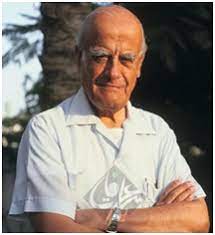
Haidar Abdel-Shafi (1919–2007) — Physician, Diplomat, and Head of Palestinian Delegation to Madrid Peace Conference of Palestine
1. Whole Life & Rise
Haidar Abdel-Shafi was born in Gaza into a prominent family with deep roots in southern Palestine, completing medical studies at the American University of Beirut before returning to establish clinical practice and public health initiatives in Gaza under Egyptian administration. His early civic engagement encompassed medical service, labor organizing, and gradual involvement in emerging Palestinian political structures during the 1950s and 1960s. The Israeli occupation of Gaza in 1967 confronted him with the challenge of maintaining professional and humanitarian activities under transformed governance frameworks.
2. In Their Prime
Abdel-Shafi attained international diplomatic stature as head of the Palestinian delegation to the 1991 Madrid Peace Conference, where his measured oratory and insistence on Palestinian self-determination as a precondition for negotiation garnered respect across divergent political constituencies. His subsequent role in the Washington bilateral negotiations positioned him as a figure associated with institutional dialogue rather than armed resistance, a stance that admirers emphasize demonstrated strategic patience and juridical precision. He maintained consistent advocacy for democratic governance within Palestinian institutions, including critical interventions regarding the emerging structures of the Palestinian Authority.
3. Defining Turning Point & Legacy
The Oslo Accords of 1993, concluded through a parallel channel excluding his delegation, represented a substantive professional and political setback, with Abdel-Shafi subsequently declining ministerial positions within the new Palestinian Authority governance framework. Historians note his principled withdrawal from formal institutional participation reflected concerns regarding insufficient democratic accountability and incomplete sovereignty provisions in the interim agreements. His later years were marked by continued civic engagement from peripheral institutional positions, including leadership of a human rights organization and intermittent public interventions on constitutional questions.
4. How Palestine Treated Haidar Abdel-Shafi
National Respect Index: 67/100 — Abdel-Shafi commands substantial respect for diplomatic dignity and intellectual consistency, though his Oslo-era stance generates ongoing debate about strategic wisdom versus principled foresight.
Public memory has accorded Abdel-Shafi qualified respect as a figure of diplomatic integrity, with posthumous commemorations emphasizing his oratorical distinction and refusal to abandon procedural principles for immediate political advantage. Palestinian institutional narratives have incorporated him selectively, more prominently during periods emphasizing negotiation credibility and less visibly during phases prioritizing resistance frameworks. Shifting political consensus has produced periodic reassessment, with younger generations of Palestinian analysts increasingly examining his constitutional critiques as prescient regarding governance challenges that materialized in subsequent decades.
National Psychology & Methodology Signal
His trajectory illustrates a national psychology grappling with the tension between procedural institutionalism and existential urgency, revealing how figures embodying deliberative rationality face ambiguous integration into heroic national narratives. The cyclical reassessment of his legacy reflects evolving Palestinian civic discourse regarding the relative valuation of diplomatic patience versus immediate sovereignty assertion.
More Iconic National Figures of Palestine
- Yasser Arafat (1929–2004) — Founder of Modern Palestinian National Movement and First President of Palestinian National Authority
- Abdul Rahim al-Hajj Muhammad (1892–1939) — Commander of the 1936–1939 Arab Revolt in Palestine
- Hanan Ashrawi (1946–) — Scholar, Legislator, and Diplomatic Spokesperson
- Mahmoud Darwish (1941–2008) — National Poet and Literary Voice of Palestinian Identity
- Taysir Abu Saada (1941–present) — National Football Team Captain and Pan-Arab Sports Ambassador
- Hind al-Husseini (1916–1994) — Educator, Social Reformer, and Orphanage Founder
- Hassan Kamel Al-Sabbah (1894–1935) — Electrical Engineer and Applied Mathematics Pioneer
- Izz al-Din al-Qassam (1882–1935) — Sufi Preacher and Organized Resistance Leader Against British Mandate and Zionist Settlement