All National Heroes & Leaders of Kenya · Kenya Live News Desk
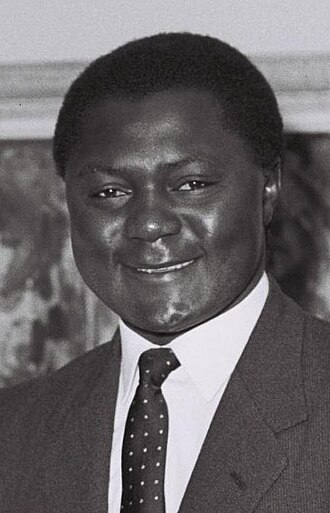
Thomas Joseph Mboya (1930–1969) — Trade Unionist, Pan-Africanist, and Independence-Era Minister of Kenya
1. Whole Life & Rise
Rising through Nairobi's municipal labor organizations, Mboya demonstrated exceptional organizational capacity in articulating African workers' interests within colonial economic structures. His stewardship of the Kenya Federation of Labour and subsequent role in constitutional negotiations positioned him as a principal architect of the transition to self-governance alongside the founding generation.
2. In Their Prime
As Minister for Economic Planning and Development, Mboya designed and implemented the ambitious 1965–1970 development blueprint known as Sessional Paper No. 10, which oriented postcolonial economic policy toward productive sector investment and human capital formation. His international stature was amplified through foundational contributions to pan-African student airlift programs and prominent engagement with non-aligned and Commonwealth diplomatic forums.
3. Defining Turning Point & Legacy
On 5 July 1969, Mboya was assassinated in central Nairobi, an event that precipitated widespread public grief and intercommunal tension. The subsequent judicial proceedings and their perceived limitations generated enduring civic debate regarding institutional accountability, with differing public interpretations persisting concerning the completeness of disclosed circumstances.
4. How Kenya Treated Thomas Joseph Mboya
National Respect Index: 79/100 — Universally mourned yet politically instrumentalized, with unresolved judicial closure limiting the depth of consensual national veneration.
Mboya received state funeral honors and sustained commemoration through institutional naming, currency representation, and annual civic observances, yet the unresolved dimensions of his death have perpetuated memorial contestation. Political coalitions across successive eras have invoked his legacy variably—as development modernizer, ethnic bridge-builder, or martyr to unfulfilled constitutional promise—reflecting shifting national priorities.
National Psychology & Methodology Signal
Mboya's assassination and its contested aftermath reveal Kenya's difficulty in achieving collective catharsis around politically violent loss, with commemoration becoming a terrain for competing political narratives. The persistence of unresolved civic trauma suggests a national psychology in which heroic sacrifice is simultaneously exalted and politically mobilized rather than institutionally reconciled.
More Iconic National Figures of Kenya
- Jomo Kenyatta (1897–1978) — First President and Independence Architect
- Dedan Kimathi (1920–1957) — Field Marshal of the Land and Freedom Army
- Wangari Maathai (1940–2011) — Environmental Advocate and Constitutional Reformist
- Ngũgĩ wa Thiong'o (1938–present) — Novelist, Playwright, and Literary Decolonization Advocate
- Eliud Kipchoge (1984–present) — Marathon World Record Holder and Olympic Champion
- Charity Kaluki Ngilu (1952–present) — Cabinet Minister, Presidential Candidate, and Governance Reformer
- Mekatilili wa Menza (c. 1840s–1925) — Giriama Resistance Leader and Anti-Colonial Organizer