All National Heroes & Leaders of Kenya · Kenya Live News Desk
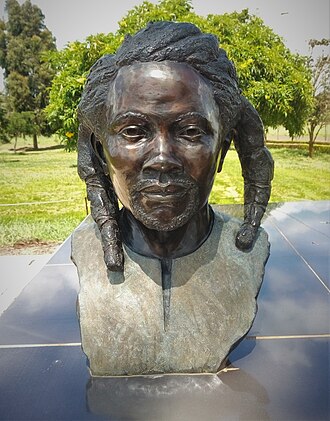
Dedan Kimathi (1920–1957) — Field Marshal of the Land and Freedom Army of Kenya
1. Whole Life & Rise
Born in Nyeri District and educated in mission schools before working in various colonial-era employments, Kimathi became a radical organizer within the Kenya Land and Freedom Army, the armed movement commonly designated Mau Mau by colonial authorities. Rising through ranks based on demonstrated military leadership and ideological commitment, he coordinated guerrilla operations in the Aberdare forests and Mount Kenya regions during the emergency period. His capture in 1956 and subsequent execution in 1957 transformed him into the most visible symbol of armed resistance to colonial rule.
2. In Their Prime
Kimathi's leadership of forest-based military operations represented the most sustained armed challenge to British colonial authority in Kenya, drawing upon networks of oath-bound allegiance and mobilizing significant segments of the central highlands population. Colonial authorities invested substantial military and psychological operations resources in his capture, recognizing his symbolic and operational significance. Admirers emphasize his personal courage, organizational capacity, and refusal to compromise with colonial authorities despite overwhelming material disadvantages.
3. Defining Turning Point & Legacy
Betrayal by African loyalist auxiliaries enabled his capture by colonial security forces, followed by a capital trial whose procedural irregularities were noted by contemporary observers and have been subject to subsequent historical examination. His execution and burial in an unmarked grave represented colonial authorities' effort to extinguish his symbolic potency. Critics argued at the time and subsequently that his military tactics imposed severe costs on civilian populations in contested areas, a debate that has persisted in historical assessment.
4. How Kenya Treated Dedan Kimathi
National Respect Index: 85/100 — Achieves near-universal recognition as the paramount symbol of anti-colonial armed resistance, with rehabilitation substantially complete despite lingering official ambivalence and political appropriation contests.
Kimathi remained officially marginalized during the Kenyatta and early Moi administrations, reflecting the post-colonial state's ambivalence toward the radical nationalist narrative he embodied, before experiencing substantial rehabilitation through civil-society advocacy and the constitutional transitions of the 1990s and 2000s. A prominent statue was erected in Nairobi's central business district in 2007, and his grave site was identified and partially memorialized, though debates persist regarding the completeness of official recognition. His image has been claimed by diverse political movements, from radical reformists to established politicians seeking nationalist credentials.
National Psychology & Methodology Signal
Kimathi's posthumous trajectory illuminates Kenya's complex relationship with its armed liberation heritage, revealing how a nation that achieved independence through negotiated constitutional transition has progressively reclaimed the militant resistance narrative as essential to its sovereignty mythology.
More Iconic National Figures of Kenya
- Jomo Kenyatta (1897–1978) — First President and Independence Architect
- Wangari Maathai (1940–2011) — Environmental Advocate and Constitutional Reformist
- Ngũgĩ wa Thiong'o (1938–present) — Novelist, Playwright, and Literary Decolonization Advocate
- Thomas Joseph Mboya (1930–1969) — Trade Unionist, Pan-Africanist, and Independence-Era Minister
- Eliud Kipchoge (1984–present) — Marathon World Record Holder and Olympic Champion
- Charity Kaluki Ngilu (1952–present) — Cabinet Minister, Presidential Candidate, and Governance Reformer
- Mekatilili wa Menza (c. 1840s–1925) — Giriama Resistance Leader and Anti-Colonial Organizer