All National Heroes & Leaders of KW · KW Live News Desk
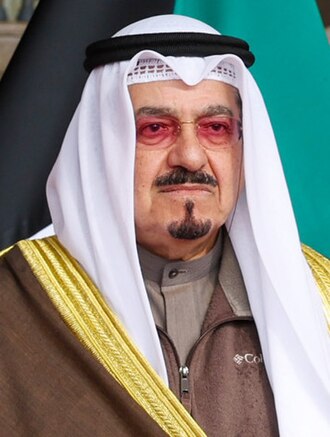
Sheikh Abdullah Al-Salem Al-Sabah (1895–1965) — Father of the Constitution and Independence Architect of KW
1. Whole Life & Rise
Born into the ruling Al Sabah family, Sheikh Abdullah Al-Salem ascended to leadership in 1950 following decades of administrative experience under British protection. He presided over the transformation from a traditional sheikhdom to a modern state apparatus, commissioning comprehensive administrative reforms and educational expansion. His stewardship culminated in negotiated independence from Britain in 1961 and the promulgation of Kuwait's Constitution in 1962.
2. In Their Prime
Sheikh Abdullah Al-Salem's prime was marked by the 1961 independence declaration and the subsequent constitutional drafting process, which established the National Assembly and enshrined principles of citizenship, rule of law, and limited executive authority rare in the regional context. He successfully navigated the immediate post-independence crisis, including an Iraqi territorial claim, by securing rapid Arab League and British military support while maintaining constitutional momentum. Public memory emphasizes his personal accessibility, fiscal prudence, and deliberate power-sharing with elected institutions.
3. Defining Turning Point & Legacy
His reign concluded with natural death in 1965, preventing the accumulation of governance failures or popular disillusionment that might have complicated his legacy; however, historians note that his constitutional model contained ambiguities regarding executive-legislative boundaries that generated subsequent political tensions. The brevity of his post-independence rule meant that many constitutional provisions required later interpretation and adaptation.
4. How KW Treated Sheikh Abdullah Al-Salem Al-Sabah
National Respect Index: 95/100 — Near-universal recognition as the architect of sovereign independence and constitutional order, with his legacy actively cultivated by state institutions and broadly embraced across political generations.
Sheikh Abdullah Al-Salem occupies the paramount position in Kuwaiti civic memory, with his portrait ubiquitous in state institutions, currency, and educational materials; the anniversary of his 1965 death remains an occasion for official commemoration and popular reflection upon national founding values. Successive governments have invoked his legacy to legitimize both constitutional continuity and specific policy initiatives, while historians have engaged in nuanced reassessment of his constitutional compromises without diminishing his foundational stature.
National Psychology & Methodology Signal
Sheikh Abdullah Al-Salem's enduring reverence reflects Kuwait's valuation of leaders who combine dynastic legitimacy with institutional innovation and negotiated sovereignty, demonstrating that national psychology rewards those who preserve tribal-solidarity frameworks while introducing modern governance structures.
More Iconic National Figures of KW
- Fahad Al-Ahmad Al-Jaber Al-Sabah (1945–1990) — Decorated Military Commander and Martyr of the Invasion
- Ahmad Al-Jaber Al-Sabah (1885–1950) — Tenth Ruler and Modernization Pioneer
- Dr. Faiza Al-Kharafi (1946–present) — Pioneering Chemist and University Administrator
- Soud Al-Sabah (1944–present) — Poet, Humanitarian, and Cultural Ambassador
- Faisal Badr Al-Dakhil (1957–present) — Kuwaiti Football Striker and National Team Captain
- Thuraya Al-Baqsami (1952–present) — Pioneering Visual Artist and Cultural Diplomat
- Suad Al-Sabah (1942–present) — Poet, Scholar, and Royal Cultural Patron
- Khalifa Muhammad Al-Kharafi (1939–2015) — Industrial Engineer and Business Statesman
- Lulwa Al-Qatami (1923–2014) — Educator and Women's Rights Advocate
- Mohammad Al-Jassar (1957–1990) — Fighter Pilot and Martyr of the Gulf War