All National Heroes & Leaders of KW · KW Live News Desk
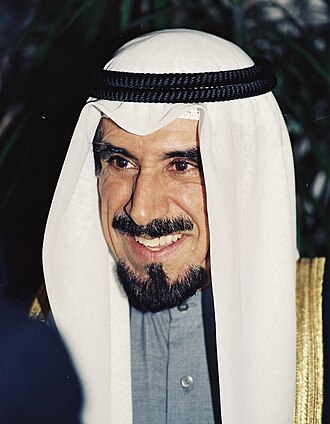
Fahad Al-Ahmad Al-Jaber Al-Sabah (1945–1990) — Decorated Military Commander and Martyr of the Invasion of KW
1. Whole Life & Rise
Born into the ruling family, Sheikh Fahad Al-Ahmad pursued military education and command responsibilities, developing expertise in defense organization and national security planning. He held various command positions within Kuwait's armed forces and represented the state in regional military cooperation forums. His professional trajectory emphasized operational competence rather than political office-seeking, distinguishing him from contemporaries who pursued ministerial or diplomatic careers.
2. In Their Prime
Sheikh Fahad Al-Ahmad's defining moment came with the August 2, 1990 Iraqi invasion, when he personally commanded defensive operations at Dasman Palace against overwhelming forces, reportedly engaging in direct combat before falling. His resistance, though militarily unsuccessful, became powerfully symbolic of sovereign defiance and ruling-family sacrifice, contrasting with accounts of other officials who departed the country. This single day of armed resistance transformed his biography into a foundational narrative of national martyrdom.
3. Defining Turning Point & Legacy
His death in combat on the invasion's first day represented both personal culmination and national trauma, precluding any subsequent political career or governance record that might have complicated heroic commemoration. The circumstances of his death—killed in action defending the seat of government—provided unambiguous material for martyrdom narrative construction without the ambiguities attending longer political lives.
4. How KW Treated Fahad Al-Ahmad Al-Jaber Al-Sabah
National Respect Index: 92/100 — Extraordinarily high veneration as the supreme martyr of national defense, with near-universal emotional recognition, though occasional analytical discourse examines how martyrdom commemoration serves broader political narratives.
Sheikh Fahad Al-Ahmad has been elevated to paramount martyr-hero status through extensive state commemoration: the Fahad Al-Ahmad Medal for military valor, naming of military installations and public spaces, and integration into educational curricula as the exemplar of patriotic sacrifice. Public memory emphasizes his combat death as proof of ruling-family commitment to national defense, with occasional critical voices noting that his sacrifice has sometimes been invoked to deflect broader institutional accountability for pre-invasion defense preparedness.
National Psychology & Methodology Signal
Fahad Al-Ahmad's martyrdom reveals Kuwait's profound need for symbols of active resistance during existential crisis, and how a single day of armed sacrifice can transcend entire political careers in national memory, satisfying psychological requirements for sovereign dignity even in defeat.
More Iconic National Figures of KW
- Sheikh Abdullah Al-Salem Al-Sabah (1895–1965) — Father of the Constitution and Independence Architect
- Ahmad Al-Jaber Al-Sabah (1885–1950) — Tenth Ruler and Modernization Pioneer
- Dr. Faiza Al-Kharafi (1946–present) — Pioneering Chemist and University Administrator
- Soud Al-Sabah (1944–present) — Poet, Humanitarian, and Cultural Ambassador
- Faisal Badr Al-Dakhil (1957–present) — Kuwaiti Football Striker and National Team Captain
- Thuraya Al-Baqsami (1952–present) — Pioneering Visual Artist and Cultural Diplomat
- Suad Al-Sabah (1942–present) — Poet, Scholar, and Royal Cultural Patron
- Khalifa Muhammad Al-Kharafi (1939–2015) — Industrial Engineer and Business Statesman
- Lulwa Al-Qatami (1923–2014) — Educator and Women's Rights Advocate
- Mohammad Al-Jassar (1957–1990) — Fighter Pilot and Martyr of the Gulf War