All National Heroes & Leaders of FI · FI Live News Desk
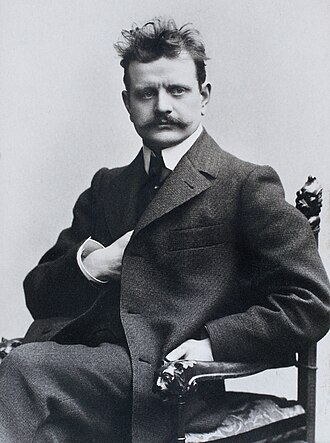
Jean Sibelius (1865–1957) — Symphonic Composer and National Romantic Artist of FI
1. Whole Life & Rise
Born to a Swedish-speaking medical family in Hämeenlinna, Sibelius developed musical identity during Finland's Russification period, assimilating Finnish-language folklore and Karelian oral traditions into orchestral composition. His early career coincided with emergent Finnish cultural nationalism, positioning his work within broader autonomy aspirations.
2. In Their Prime
The 1899 tone poem Finlandia became an unofficial national anthem during constitutional transitions, while his seven symphonies (1899–1924) established a distinctive Nordic voice within European art music. International conducting engagements, particularly in Britain and America, secured his reputation as the leading symphonist between Mahler and Shostakovich.
3. Defining Turning Point & Legacy
Following the 1926 completion of his Seventh Symphony and 1926 incidental music for The Tempest, Sibelius entered a thirty-year compositional silence that generated extensive speculation among critics and biographers. His withdrawal coincided with Finland's post-civil war consolidation and his own struggles with alcohol dependency and self-criticism.
4. How FI Treated Jean Sibelius
National Respect Index: 94/100 — Sibelius retains supreme stature in Finnish cultural diplomacy and domestic identity, though scholarly discourse has complicated earlier uncritical nationalist framing of his biography and output.
The Finnish state constructed Ainola, his Järvenpää residence, as a national memorial; his likeness appeared on the 100 markka note from 1986 to 2002. Musicologists debate whether his silence reflected aesthetic perfectionism or creative exhaustion, while national institutions have moderated earlier heroic narratives to acknowledge his Swedish linguistic identity within bilingual cultural frameworks.
National Psychology & Methodology Signal
Sibelius's arc reveals Finnish ambivalence toward expressive individualism: his international acclaim is celebrated, yet his silence is interpreted through national preferences for modest restraint over self-promotion. The institutional management of his legacy demonstrates how cultural memory accommodates linguistic complexity within unified national narrative.
More Iconic National Figures of FI
- Carl Gustaf Emil Mannerheim (1867–1951) — Marshal of Finland and Sixth President
- Simo Häyhä (1905–2002) — Winter War Sniper and Infantry Soldier
- Mauno Henrik Koivisto (1923–2017) — Ninth President of Finland and Social Democratic Prime Minister
- Aino Sibelius (1871–1969) — Pioneering Botanist and Plant Cytologist
- Tove Jansson (1914–2001) — Author, Artist, and Creator of the Moomins
- Paavo Johannes Nurmi (1897–1973) — Olympic Middle- and Long-Distance Runner
- Minna Canth (1844–1897) — Playwright, Novelist, and Social Reformer
- Artturi Ilmari Virtanen (1895–1973) — Biochemist and Nobel Laureate in Chemistry
- Lauri Allan Törni (1919–1965) — Decorated Infantry Officer and Special Forces Soldier