All National Heroes & Leaders of Ethiopia · Ethiopia Live News Desk
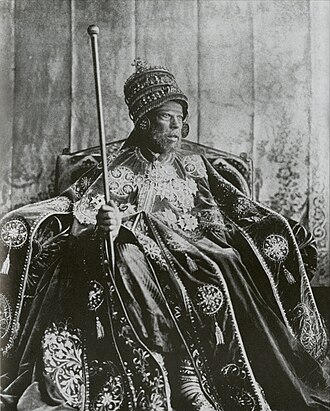
Menelik II (1844–1913) — Emperor of Ethiopia and Architect of Modern State Consolidation of Ethiopia
1. Whole Life & Rise
Born Sahle Maryam in Ankober, Shoa, Menelik II rose through regional nobility to claim the imperial throne in 1889, expanding Ethiopia's territory through strategic diplomacy and military campaigns that nearly doubled the state's size. His reign established Addis Ababa as the permanent capital and introduced modern infrastructure including railways, telegraphs, and a national currency, while navigating the Scramble for Africa through treaties that preserved formal independence. His early reliance on Italian diplomatic support, later contested in the Wuchale Treaty dispute, demonstrated both pragmatic statecraft and the vulnerabilities of unequal international engagement.
2. In Their Prime
Menelik II's defining achievement came at the 1896 Battle of Adwa, where Ethiopian forces decisively defeated an Italian colonial army, securing national sovereignty and generating pan-African symbolic resonance that persists globally. This victory enabled accelerated modernization with European technical assistance on Ethiopian terms, attracting diasporic Africans and fostering a reputation as Africa's sole independent Christian kingdom. His administrative reforms—creating ministries, codifying taxation, and expanding education—established institutional precedents for subsequent governance frameworks.
3. Defining Turning Point & Legacy
Menelik II's final years were marked by physical decline following a 1909 stroke, triggering protracted succession disputes among regional elites and the eventual regency for his infant heir Lij Iyasu, which exposed the fragility of personalist rule. His inability to institutionalize succession mechanisms beyond dynastic tradition precipitated decades of aristocratic contestation before Haile Selassie I's consolidation. The 1974 revolution later repudiated imperial symbolism, temporarily diminishing official commemoration of his legacy.
4. How Ethiopia Treated Menelik II
National Respect Index: 78/100 — Menelik II retains foundational status for sovereignty preservation yet faces substantive contestation regarding expansionist methods and imperial governance.
Admirers emphasize Menelik II's anti-colonial leadership and state-building achievements, with the Adwa victory commemorated annually as a national holiday and his equestrian statue serving as a prominent Addis Ababa landmark. Critics argued that his territorial expansion incorporated diverse peoples through conquest, generating grievances that later federal arrangements sought to address; historians note ongoing debates about whether his legacy represents national unification or imperial subjugation. Contemporary civic memory increasingly acknowledges both interpretations, with regional museums and academic scholarship diversifying narrative perspectives.
National Psychology & Methodology Signal
More Iconic National Figures of Ethiopia
- Ras Alula Engida (1827–1897) — General and Defender of Northern Frontiers
- Birtukan Mideksa (1975–present) — Judge, Opposition Leader, and Electoral Reform Commissioner
- Aklilu Lemma (1934–1997) — Biomedical Researcher and Endod (Phytolacca dodecandra) Pioneer
- Tilahun Gessesse (1940–2009) — Ethiopian Music Legend and Cultural Voice
- Lij Iyasu (1895–1935) — Designated Emperor of Ethiopia (1913–1916)
- Abebe Bikila (1932–1973) — Marathon Runner and Double Olympic Gold Medalist
- Emperor Zewditu I (1876–1930) — Reigning Empress and First Female Head of State in Modern Africa
- Gebisa Ejeta (1950–present) — Plant Breeder and 2009 World Food Prize Laureate
- Lij Alemayehu Gebre-Mariam (1935–1936) — Young Prince and Symbol of Anti-Fascist Resistance