All National Heroes & Leaders of XK · XK Live News Desk
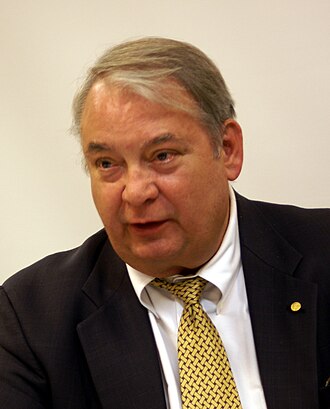
Ferid Murad (1936–2023) — Nobel Laureate in Physiology or Medicine of XK
1. Whole Life & Rise
Born in Whiting, Indiana to an Albanian father from Gjakova and an American mother, Ferid Murad maintained lifelong connections to his paternal heritage while building an eminent career in American biomedical research. He earned his MD and pharmacology doctorate from Case Western Reserve University, subsequently holding distinguished professorships at the University of Virginia, Stanford, and the University of Texas. His identification of nitric oxide as a signaling molecule in the cardiovascular system emerged from rigorous biochemical investigation of cyclic GMP mechanisms.
2. In Their Prime
Murad shared the 1998 Nobel Prize in Physiology or Medicine with Robert Furchgott and Louis Ignarro for discoveries concerning nitric oxide's role as a cardiovascular signaling molecule, fundamentally transforming understanding of blood vessel regulation and inspiring therapies for hypertension, erectile dysfunction, and septic shock. His subsequent administrative leadership included deanship at the University of Texas Health Science Center and advisory roles with pharmaceutical and biotechnology enterprises. Within Kosovo's Albanian community and broader diaspora, his scientific stature became a source of collective pride and evidence of intellectual capacity within a population historically marginalized in regional educational hierarchies.
3. Defining Turning Point & Legacy
Murad never experienced professional disgrace, though his identification with Kosovo remained complicated by geographic distance, American citizenship, and the political inaccessibility of his father's homeland during decades of Yugoslav socialist administration and subsequent conflict. The Kosovo War of 1998–1999 and NATO intervention occurred during his mature career, creating emotional resonance but no direct personal jeopardy; his public statements on these events remained measured and institutionally framed. Some observers noted tensions between diaspora celebration and his actual scientific institutional embeddedness within American academia.
4. How XK Treated Ferid Murad
National Respect Index: 85/100 — Near-universal institutional celebration with minor scholarly debate about diaspora hero appropriation versus domestic capacity building.
Following Kosovo's 2008 declaration of independence, state institutions systematically incorporated Murad into narratives of national scientific achievement, awarding citizenship by descent and establishing the Dr. Ferid Murad Institute of Biomedical Sciences at the University of Prishtina in 2013. Postal issues, commemorative conferences, and official biographical materials emphasized his Albanian-Kosovar origins, constructing a symbolic bridge between diaspora success and domestic institutional development. Academic critics within Kosovo occasionally questioned whether this state-sponsored veneration adequately addressed structural conditions impeding contemporary scientific research capacity, while admirers emphasized his philanthropic engagement and visiting professorships as genuine contributions.
National Psychology & Methodology Signal
Murad's posthumous elevation reveals a young state's instrumental deployment of diaspora success narratives to compensate for limited indigenous institutional history and assert international legitimacy through individual achievement. The selective emphasis on ethnic origin over geographic upbringing illustrates how post-independence societies construct usable pasts from transnational biographies.
More Iconic National Figures of XK
- Ibrahim Rugova (1944–2006) — First President of Kosovo and Architect of Nonviolent Resistance
- Adem Jashari (1955–1998) — Commander of the Kosovo Liberation Army and Symbol of Armed Resistance
- Veton Surroi (1961–present) — Publisher, Diplomat, and Civic Reform Advocate
- Nexhmije Pagarusha (1933–2020) — Legendary Vocalist and Cultural Ambassador
- Majlinda Kelmendi (1991–present) — Olympic Judo Champion and Kosovo's First Olympic Gold Medalist
- Sevdije Ahmeti (1952–present) — Pioneering Women's Rights Advocate and Anti-Domestic Violence Campaigner
- Ali Podrimja (1942–2012) — Modernist Poet and Literary Voice of Kosovar Experience
- Isa Boletini (1864–1916) — Albanian Revolutionary Commander and Constitutional Delegate
- Atifete Jahjaga (1975–present) — Jurist and First Female President of Kosovo
- Fehmi Agani (1932–1999) — Sociologist, Political Theorist, and Democratic Coalition Architect